
10 Daily Habits for Strong Active Seniors
- James Pettenquil

- 4 days ago
- 7 min read
Strength doesn’t disappear overnight. It fades when daily life gets too still, meals get too light on protein, sleep gets choppy, and balance stops being challenged.
The good news? Staying strong doesn’t require a gym membership, fancy gear, or a perfect routine. It usually comes down to small habits done often. A little walking. A little strength work. Food that supports muscle. Enough rest. Real connection. The boring stuff, done consistently, is what keeps people moving well.
This guide is informational and isn’t a substitute for medical advice. If you’re starting a new exercise routine, dealing with pain, or managing a health condition, check in with a qualified health professional.

1. Start the day with movement before the day gets busy
Morning movement sets the tone. It wakes up stiff joints, gets blood flowing, and makes it less likely that exercise gets pushed aside later.
This doesn’t have to be a full workout. Even five to ten minutes helps. Try a simple routine like:
Marching in place
Shoulder rolls
Gentle side bends
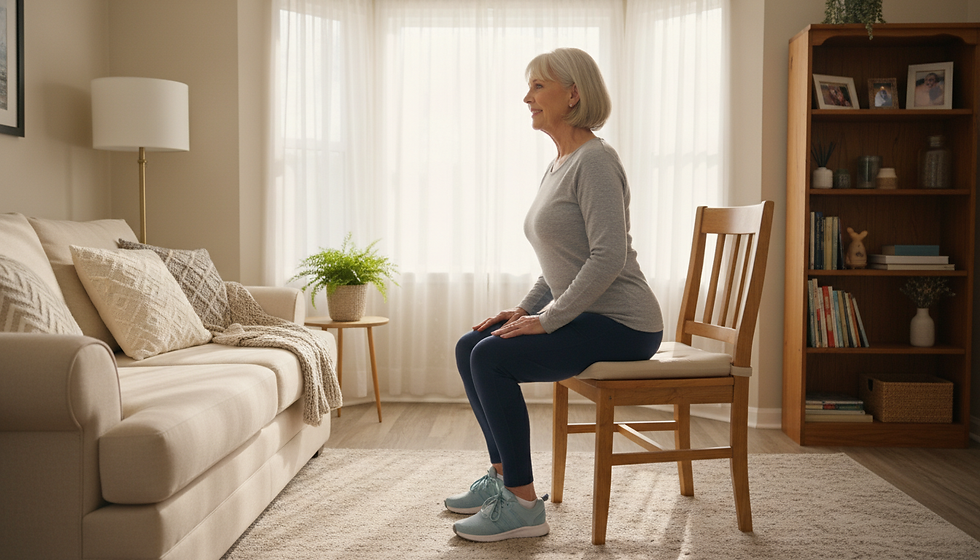
Sit-to-stands from a sturdy chair
An easy walk around the block
The goal is to tell the body, “We’re moving today.” Once that switch flips, it’s easier to keep going.
A helpful rule is to make the first few minutes almost too easy to skip. Shoes by the door. Water on the counter. A chair ready for warm-ups. Less friction means more follow-through.
2. Walk most days, even if it’s only a short walk keeps seniors strong and active
Walking is one of the best daily habits because it supports stamina, mood, balance, heart health, and independence. It’s also simple. No class time. No complicated plan. Just step outside, walk a hallway, or use a safe indoor space.
A strong walking habit can look different from person to person:
One 30-minute walk
Two 15-minute walks
Three 10-minute walks
Short strolls after meals
If walking outside feels unsteady, use a cane or walker if prescribed, choose flat routes, and avoid uneven sidewalks. Indoor malls, community centers, and large stores can be useful on hot, cold, or rainy days.
The best walking pace is one that feels steady and controlled. You should be able to talk, but not sing comfortably.
3. Do strength exercises two to three days a week
Muscle helps with nearly everything: getting out of a chair, carrying groceries, climbing steps, recovering from illness, and staying steady on your feet.
Strength training doesn’t mean lifting heavy weights. Body weight, resistance bands, light dumbbells, soup cans, or water bottles can all work.
A basic strength routine might include:
Sit-to-stands
Wall push-ups
Heel raises
Seated rows with a resistance band
Step-ups on a low, stable step
Light biceps curls
Side leg lifts while holding a counter
Focus on slow, controlled movement. Good form matters more than speed. If a movement causes sharp pain, stop and choose something gentler.
The habit that matters most is consistency. A short routine done twice a week beats an intense workout that only happens once in a while.

4. Practice balance in small, safe moments
Balance is one of those things people often ignore until it becomes a problem. But it improves with practice, especially when the practice is safe and regular.
Try balance work near a counter, sturdy chair, or wall. Keep one hand close enough to catch yourself.
Simple balance habits include:
Standing with feet close together for 10 to 20 seconds
Shifting weight from one foot to the other
Heel-to-toe walking along a counter
Standing on one foot while holding the counter
Rising onto toes, then lowering slowly
Balance training should feel challenging, not scary. If dizziness, numbness, or sudden weakness shows up, stop and get medical guidance.
A smart trick is to attach balance practice to an existing habit. Do a few heel raises while waiting for coffee. Practice weight shifts before brushing your teeth. Small moments add up.
5. Eat enough protein throughout the day
Protein helps maintain muscle, especially when paired with strength exercise. Many people eat most of their protein at dinner, but spreading it across the day can make meals more useful for strength.
Good protein options include:
Eggs
Greek yogurt
Cottage cheese
Fish
Chicken or turkey
Beans and lentils
Tofu
Nuts and nut butters
Protein-rich smoothies
Breakfast is a common weak spot. Toast and coffee may be easy, but they usually don’t provide much muscle support. Adding eggs, yogurt, peanut butter, or a smoothie can make a big difference.
Meals don’t need to be perfect. Aim for a clear protein source at each meal, then add colorful produce and a satisfying carbohydrate like oats, brown rice, potatoes, or whole-grain bread.
6. Drink water before thirst gets loud
Thirst signals can get less noticeable with age. That means it’s possible to run low on fluids before feeling obviously thirsty.
A simple habit is to drink water at regular times:
After waking up
With each meal
Before and after walking
With medications, if appropriate
Mid-afternoon
Water isn’t the only source of fluids. Soups, fruit, herbal tea, milk, and smoothies can help too. If a doctor has given fluid limits due to heart, kidney, or another medical condition, follow that guidance.
One easy cue: keep a water bottle or glass where it’s visible. If it’s out of sight, it’s easy to forget.
7. Stretch the areas that get stiff
Flexibility helps with comfort and freedom of movement. It can make it easier to turn your head while driving, reach overhead, put on shoes, or stand tall.
Stretching works best when muscles are warm. After a walk or light movement is a great time.
Common areas to stretch include:
Calves
Hamstrings
Hips
Chest
Shoulders
Neck, gently
Hold stretches without bouncing. Mild tension is fine. Pain is not the goal.
A simple evening routine can be enough. Try two or three stretches while watching TV or listening to music. Keep it calm and comfortable.

8. Prioritize sleep like it’s part of the workout
Sleep is when the body repairs, resets, and restores energy. Poor sleep can make balance feel worse, reduce motivation, and make aches feel louder.
Helpful sleep habits are simple, but they work best when repeated:
Wake up around the same time each day
Get morning light when possible
Keep naps short if they affect nighttime sleep
Limit late caffeine
Wind down with quiet activities
Keep the bedroom cool, dark, and comfortable
If sleep problems are frequent, loud snoring is present, or daytime tiredness feels extreme, it’s worth discussing with a health professional. Sometimes there’s an underlying issue that can be treated.
Good sleep isn’t lazy. It’s part of staying active.
9. Keep social time on the calendar
Strong, active days are easier when life includes people. Friends, family, neighbors, faith groups, walking buddies, hobby clubs, and community classes all help create rhythm.
Social connection also makes movement more enjoyable. A walk with a friend rarely feels like exercise. A chair yoga class can become something to look forward to. A regular lunch date gives the week shape.
Try building activity into connection:
Walk with a neighbor
Join a beginner exercise class
Garden with a friend
Volunteer in a role that includes light movement
Take a dance, tai chi, or water exercise class
The habit here is to avoid letting the calendar go empty for too long. Connection supports consistency.
10. Make the home safer and easier to move through
A strong body matters, but the environment matters too. Many falls happen at home, often from simple hazards.
A safer home supports confidence. Look around for easy fixes:
Remove loose throw rugs or secure them
Keep walkways clear
Improve lighting in hallways and bathrooms
Add night lights
Store common items within easy reach
Use grab bars where needed
Wear supportive shoes or slippers with backs
This isn’t about being afraid. It’s about making movement less risky. When the home feels easier to move through, people tend to move more.
A good home setup also supports the other habits. Keep resistance bands visible. Place walking shoes near the door. Store healthy snacks where they’re easy to grab. The surroundings should make the better choice the easy choice.
How to turn these habits into a routine that sticks
Trying to change everything at once can feel like too much. Pick two habits to start. Keep them small. Once they feel normal, add another.
A simple starter plan could look like this:
Day | Small habit |
Monday | 10-minute walk and sit-to-stands |
Tuesday | Protein at breakfast and water with meals |
Wednesday | 10-minute walk and balance practice |
Thursday | Stretch after dinner |
Friday | Strength routine with chair exercises |
Saturday | Walk with a friend or family member |
Sunday | Plan meals and set up walking shoes |
The best routine is the one that fits real life. Bad weather, appointments, low-energy days, and travel will happen. That doesn’t mean the plan failed. Just return to the next small habit.
If you’d like help building a realistic plan that fits your goals, energy, and current fitness level, you can explore senior coaching options here.
FAQs About Staying Strong and Active
How much exercise do older adults really need?
A common goal is regular movement most days, plus strength exercises a few times a week. The right amount depends on health, fitness level, and medical conditions. Start small and build gradually.
What’s the best exercise for staying independent?
Strength training is one of the most useful because it supports daily tasks like standing, lifting, carrying, and climbing stairs. Walking and balance practice are also key.
Is it too late to build strength after 70?
No. Many people can gain strength later in life with safe, consistent training. Progress may be gradual, but the body can still respond to movement.
What should I do if exercise makes me sore?
Mild muscle soreness can happen after new activity. Sharp pain, joint pain, chest pain, dizziness, or shortness of breath beyond normal effort should be taken seriously. Stop and get medical advice.
Do I need equipment to stay active?
No. A chair, wall, counter, and comfortable shoes can go a long way. Resistance bands or light weights can help later, but they aren’t required to begin.

Start with the habit that feels easiest
Strong, active seniors usually don’t rely on one big thing. They stack small habits until those habits become normal.
Walk a little. Stand up from the chair a few extra times. Add protein to breakfast. Drink water before the afternoon slump. Stretch while the TV is on. Call a friend and make the walk more fun.
Start with the easiest habit today. Make it so simple that it’s hard to talk yourself out of it. Then do it again tomorrow. That’s how strength stays part of everyday life.


Comments