
How Accountability Helps Seniors Stay Strong and Independent
- Lila Sanderson

- Jul 25
- 7 min read
Staying strong gets easier when someone is gently paying attention with you.
That doesn't mean being watched, judged, or pushed around. Good accountability feels more like having a steady walking partner. Someone helps you remember what matters, notices when routines slip, and cheers for the small wins that keep independence going.
For many older adults, strength isn't only about lifting weights or walking farther. It's also about keeping a rhythm. Taking medications as directed. Eating regular meals. Moving often enough. Making appointments. Staying connected. Asking for help before a small issue turns into a bigger one.
Accountability supports all of that.
This article is for general information only and isn't medical advice. Before changing an exercise, nutrition, or care routine, it's smart to talk with a qualified health professional.

Accountability turns good intentions into steady habits
Most people know what helps them feel better. Move a little. Drink water. Eat something nourishing. Sleep on a regular schedule. Keep up with appointments. Stay in touch with people.
The hard part is doing those things when life gets in the way.
Maybe the morning walk gets skipped because it's chilly. Maybe the balance exercises are forgotten after a busy appointment day. Maybe lunch becomes coffee and crackers because cooking feels like too much work.
Accountability helps because it adds a simple question to the day:
Did I do the thing I said I wanted to do?
That question can be kind. It doesn't need guilt behind it. In fact, guilt often backfires. A better approach sounds like this:
"What felt easy this week?"
"What got in the way?"
"What should we make simpler?"
"What would help tomorrow go better?"
That kind of check-in keeps routines realistic. It also makes success visible. Three short walks in a week may not sound dramatic, but it's a real pattern. Doing chair exercises while the coffee brews counts. Calling a friend every Tuesday counts. Keeping a water bottle by the favorite chair counts.
Small actions add up when they happen often.
A little follow-up can protect seniors independence
Independence for seniors usually doesn't disappear all at once. It often changes bit by bit.
A person stops walking to the mailbox because it feels tiring. Then the legs get weaker. Steps feel less steady. Errands feel harder. Soon, someone who used to enjoy getting out may start staying home more.
Accountability can catch these changes early.
A regular check-in creates space to notice things like:
New trouble getting up from a chair
Skipping meals more often
Feeling less steady in the shower
Forgetting medications or appointments
Avoiding stairs, walks, or social plans
Feeling lonely but not saying it directly
None of these signs means someone has failed. They are clues. And clues are useful.
With support, the next step can be small and practical. Maybe it's asking a doctor about dizziness. Maybe it's adding a grab bar in the bathroom. Maybe it's setting a reminder for medication. Maybe it's choosing a safer walking route with benches along the way.
The goal is to stay ahead of problems, not wait until there's a crisis.
Accountability makes movement feel less lonely
Exercise can be a loaded word. It can sound like gyms, machines, sweat, and rules. But for seniors, movement can be much simpler.
Movement might mean:
Walking around the block
Standing up during TV commercials
Doing seated leg lifts
Practicing balance near a kitchen counter
Stretching before bed
Gardening for a few minutes
Dancing to one favorite song
The best routine is the one that actually happens.
Accountability helps because movement is easier to keep doing when it feels shared. A friend can call after breakfast and say, "Did you get your walk in?" A family member can join for a lap around the park. A coach can help set a weekly goal that feels doable, not overwhelming.
There's also a confidence piece. Many older adults worry about falling, getting sore, or overdoing it. Having someone to talk through the plan can reduce that worry. A physical therapist, doctor, trainer with senior experience, or senior coach can help make movement safer and more personal.
The right support doesn't say, "Do more no matter what."
It says, "Let's find what works for your body right now."

The best accountability feels respectful
Nobody wants to feel micromanaged. That matters.
Accountability should protect dignity. It should never feel like someone is taking over. The best support starts with choice.
For example, instead of saying, "You need to exercise every day," a better question is:
"What kind of movement would feel good enough to try this week?"
Instead of saying, "You forgot again," try:
"What reminder would make this easier?"
Instead of saying, "You shouldn't be eating that," try:
"What meals help you feel your best?"
Respectful accountability works because it treats the person as the decision-maker. Support is there to help follow through, not to control.
That difference is huge.
Good accountability is clear
Vague goals are hard to follow. "Get healthier" sounds nice, but it's too broad.
Clear goals are easier:
Walk for 10 minutes after breakfast on Monday, Wednesday, and Friday
Drink a glass of water with each meal
Do five sit-to-stands before lunch
Call one friend this week
Put tomorrow's medications in a visible spot after dinner
Simple goals give the brain less to sort through. They also make progress easier to see.
Good accountability is flexible
Some days don't go as planned. Sleep is poor. Pain flares. Weather changes. A ride gets canceled. Energy runs low.
That doesn't mean the whole plan is ruined.
Flexible accountability asks, "What's the backup plan?"
If a walk outside doesn't happen, maybe it's two laps through the hallway. If cooking dinner feels like too much, maybe it's soup, yogurt, fruit, or a prepared meal. If a long phone call feels tiring, maybe it's a short text or voicemail.
Flexible plans keep momentum alive.
Good accountability celebrates effort
Progress for seniors isn't always dramatic. Sometimes it's quieter.
Getting out of a chair with more confidence is progress. Walking to the end of the driveway is progress. Remembering to stretch three mornings in a row is progress. Saying "I need help with this" is progress too.
Encouragement matters because people repeat what feels rewarding.
A simple "You kept your promise to yourself this week" can mean a lot.
Accountability can support more than exercise
When people talk about staying strong, they often focus on muscles. Muscles matter, of course. But independence rests on several daily routines working together.
Accountability can help with each one.
Area of daily life | How accountability helps |
Movement | Keeps walking, stretching, balance, or strength routines on the calendar |
Nutrition | Encourages regular meals, hydration, and planning ahead |
Medication routines | Supports reminders and follow-through, as directed by a doctor |
Appointments | Helps track visits, questions, and next steps |
Home safety | Brings attention to fall risks, lighting, clutter, and bathroom support |
Social connection | Encourages calls, visits, classes, faith groups, clubs, or community events |
Mood and motivation | Creates regular check-ins so changes don't go unnoticed |
This is where accountability becomes more than a fitness tool. It becomes a support system for daily life.
And daily life is where independence is built.

Simple ways to add accountability without pressure
Accountability doesn't need to be complicated. It can be as simple as one person, one habit, and one check-in.
Here are a few easy ways to start.
Pick one goal at a time
Trying to change five things at once is exhausting. Start with one.
A good first goal might be:
Walk three times this week
Eat breakfast every morning
Do balance practice near the counter for two minutes a day
Call one person every Sunday
Prepare clothes and shoes for tomorrow's walk before bed
When that feels steady, add another.
Use a visible reminder
Out of sight often means out of mind.
Try placing reminders where the habit happens:
Sneakers by the door
A water bottle near the favorite chair
A note on the bathroom mirror
A pill organizer in a safe, visible place
A calendar on the fridge
A resistance band near the TV remote
The environment can do some of the reminding.
Schedule a regular check-in
A check-in can be daily, weekly, or a few times a week. It doesn't have to be long.
A helpful check-in covers three questions:
What went well?
What got in the way?
What's the plan for the next few days?
That's enough.
The check-in can happen by phone, video call, text, or in person. What matters is consistency.
Choose the right accountability partner
The best person is calm, reliable, and encouraging. They don't shame. They don't lecture. They listen.
A good accountability partner might be:
A friend
An adult child
A neighbor
A walking buddy
A caregiver
A doctor-approved trainer
A senior coach
Some people prefer family support. Others do better with someone outside the family because it feels less emotional. Both are fine.
If structured support would make it easier to stay consistent, you can explore senior coaching plan options and choose the kind of accountability that fits.
What accountability should not feel like
Accountability should not feel like punishment.
If check-ins create dread, arguments, or embarrassment, something needs to change. The tone may be too harsh. The goals may be too big. The wrong person may be involved.
Healthy accountability should feel:
Encouraging
Clear
Respectful
Practical
Flexible
Focused on progress
It should leave a person feeling more capable, not smaller.
There may also be times when extra help is needed. If there are sudden changes in strength, balance, memory, appetite, mood, or daily function, it's best to contact a healthcare professional. Accountability is helpful, but it doesn't replace medical care.
FAQ
How often should seniors have accountability check-ins?
Once a week works well for many people. For a new habit, short daily check-ins may help at first. The best schedule is one that feels supportive without becoming annoying.
What if I don't like being reminded?
That's fair. The reminder may need to change. Choose the method yourself, such as a calendar, alarm, note, or quick call. Accountability works better when it feels like support, not nagging.
Can accountability help if motivation is low?
Yes, it can help. Motivation comes and goes. A simple routine and a kind check-in can keep things moving on low-energy days. If low motivation lasts or comes with sadness, sleep changes, or loss of interest, talk with a healthcare professional.
Who makes the best accountability partner?
Someone patient, steady, and respectful. The person should be able to encourage without taking over. For some people, that's a family member. For others, it's a friend, coach, or trained support person.
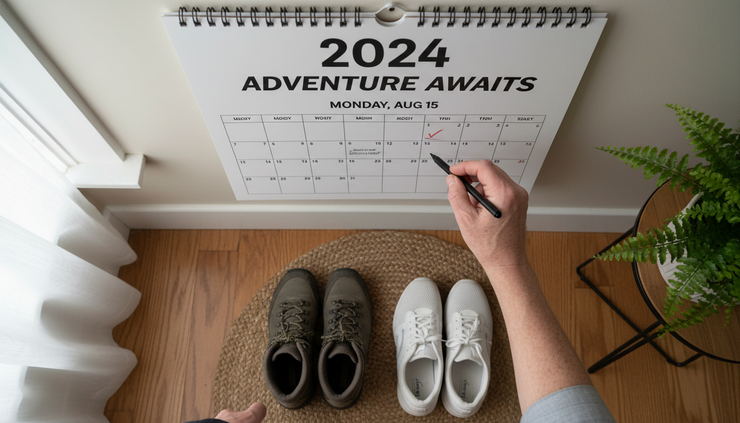
Staying strong is easier with steady support
Accountability doesn't need to be loud or strict. It can be quiet, kind, and steady.
A weekly call. A walking date. A note on the fridge. A coach who asks the right questions. A friend who notices when the routine slips. These small supports can help protect strength, confidence, and independence.
The real win is simple: keep promises small enough to keep, and keep someone caring in the loop.


Comments