
Hydration and Exercise Tips Every Senior 65 Plus Should Know

A morning walk, a water bottle, and a little common sense can go a long way. But after 65, hydration and exercise don’t always work the way they used to. Thirst can feel weaker. Some medicines change how the body handles fluids. Hot weather can sneak up fast. And sometimes, a person can get dehydrated without feeling especially thirsty.
The good news is that staying safe doesn’t require a complicated plan. It’s mostly about building simple habits around movement, meals, weather, and rest.
This guide walks through what to drink, when to drink it, how to spot warning signs, and how to exercise without overdoing it.

Why hydration matters more for seniors after 65
Water helps the body do a lot of quiet jobs. It supports blood flow, digestion, temperature control, joint comfort, and muscle function. During exercise, the body uses even more fluid because breathing, sweating, and movement all increase demand.
After 65, a few things can make hydration trickier:
Thirst signals may not be as strong.
The body may hold less water than it did years ago.
Certain medicines can increase fluid loss.
Some health conditions make fluid balance more delicate.
Heat and humidity can put extra strain on the body.
That doesn’t mean exercise is unsafe. In fact, regular movement can support strength, balance, mood, heart health, and independence. It just means hydration deserves a regular spot in the routine.
A helpful mindset is this: don’t wait until thirst is loud. Sip before, during, and after activity, especially on warm days or during longer exercise sessions.
This article is for general information only. If there’s a heart, kidney, liver, bladder, or sodium-related condition, or if fluid intake has been restricted by a clinician, it’s best to follow medical guidance first.
How much water is enough
There isn’t one perfect amount of water for everyone. Body size, activity level, weather, medications, and health conditions all change the answer.
A simple approach works best for many people: drink regularly through the day, then add a little extra around exercise.
For everyday hydration, aim for these habits:
Keep water nearby during the day.
Drink with meals and snacks.
Sip before going outside.
Drink after using the bathroom if fluids aren’t restricted.
Add fluids when sweating, walking longer than usual, or spending time in heat.
A quick urine check can help, though it’s not perfect. Pale yellow often suggests decent hydration. Dark yellow or amber can mean the body needs more fluid. Some vitamins and medicines can change urine color, so don’t use this as the only sign.
Drinks that help
Water is the easiest choice, but it’s not the only one. These can all count toward fluid intake:
Plain water
Sparkling water without much added sugar
Milk or fortified milk alternatives
Herbal tea
Broth or soup
Water-rich foods like melon, oranges, cucumbers, berries, and tomatoes
Coffee and tea can still contribute to fluids for many people, even though caffeine may increase urination for some. If caffeinated drinks cause jitters, sleep trouble, or more bathroom trips, cut back or switch to decaf.
Sugary drinks are best kept occasional. They can add a lot of calories without helping much with nutrition. Alcohol deserves extra caution because it can raise fall risk, affect sleep, and contribute to dehydration.
Drink before, during, and after exercise
Hydration works better when it’s spread out. Drinking a large amount right before exercise can feel uncomfortable. Drinking nothing and trying to catch up later can leave the body dragging.
Here’s an easy rhythm.
Time | What to do | Why it helps |
Before exercise | Drink a small glass of water 30 to 60 minutes ahead if allowed | Gives the body time to absorb fluid |
Right before starting | Take a few sips | Helps avoid beginning already dry |
During exercise | Sip every 10 to 20 minutes, especially in heat | Replaces fluid gradually |
After exercise | Drink water and eat a snack or meal | Helps the body recover |
For a short indoor session, a few sips may be enough. For a longer walk, outdoor activity, or warm weather, take a bottle.
A good rule is to match the plan to the activity. Chair yoga in an air-conditioned room won’t need the same fluid plan as gardening for an hour in July.

Watch for dehydration and overhydration
Most people think about dehydration, and for good reason. But drinking too much water too fast can also be a problem, especially for people with certain health conditions. Balance matters.
Signs the body may need more fluid
Pay attention to these common warning signs:
Dry mouth or sticky saliva
Headache
Dizziness or lightheadedness
Muscle cramps
Unusual tiredness
Dark urine
Confusion or feeling “off”
Fast heartbeat
Less urination than usual
If dizziness, confusion, chest pain, fainting, severe weakness, or shortness of breath shows up, stop exercising and get help right away.
Signs of drinking too much too quickly
Overhydration is less common, but it can happen. It may cause:
Nausea
Headache
Swelling in hands or feet
Confusion
Unusual fatigue
People taking diuretics, sometimes called water pills, or those with heart or kidney conditions should ask a clinician how to handle fluids during exercise. The same goes for anyone told to limit fluids or salt.
The safest plan is personal. General tips help, but medical advice wins when there’s a known condition.
Exercise changes how the body uses fluids
Exercise raises body temperature. Sweating helps cool the body, but sweat also means fluid loss. Even light activity can increase fluid needs, especially if the air is warm, the sun is strong, or the body isn’t used to exercise yet.
Good options for many adults over 65 include:
Walking
Water aerobics
Chair exercises
Gentle cycling
Stretching
Tai chi
Light strength training
Balance practice
Gardening with breaks
The best exercise is one that can be done consistently and safely. A 10-minute walk counts. So does standing up from a chair several times, practicing heel-to-toe steps near a counter, or using light hand weights.
Start with the talk test
The talk test is simple. During moderate exercise, speaking in short sentences should still be possible. Singing should feel hard. If talking becomes difficult, slow down.
This is especially useful outdoors because heat can make the same activity feel harder.
Build up slowly
If exercise has been on pause, start smaller than seems necessary. Try 5 to 10 minutes, then see how the body feels later that day and the next morning.
Add time slowly. The goal is to finish feeling steady, not wiped out.
Hot weather needs a different plan
Heat is one of the biggest hydration challenges. Older adults can have a harder time cooling down, and some medicines can make heat sensitivity worse.
On hot or humid days:
Exercise early in the morning or later in the evening.
Choose shaded paths or indoor spaces.
Wear lightweight, breathable clothing.
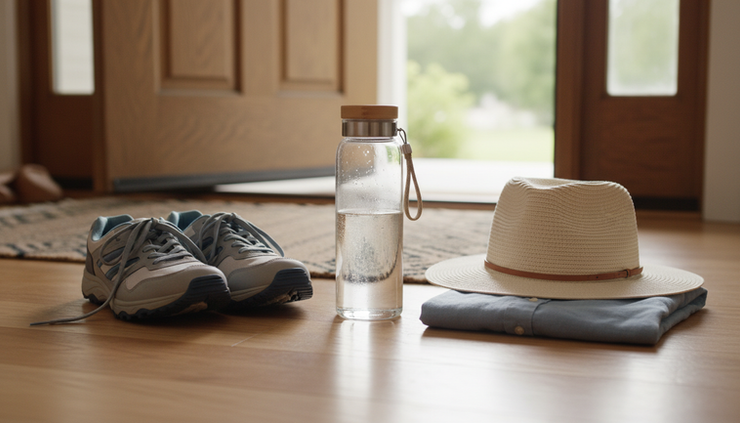
Bring water, even for shorter walks.
Take breaks before feeling tired.
Use air conditioning or cooling centers when needed.
Humidity matters because sweat doesn’t evaporate as well. That means the body may work harder to cool itself, even if the temperature doesn’t look extreme.
If the weather feels heavy, sticky, or unusually hot, make the workout shorter and easier. Skipping one outdoor walk is better than pushing through heat stress.
Food can support hydration too
Drinks matter, but food can help. Many fruits and vegetables contain plenty of water, plus minerals and fiber.
Good choices include:
Watermelon
Strawberries
Oranges
Grapes
Cucumbers
Lettuce
Tomatoes
Zucchini
Soups
Yogurt
After exercise, a snack with fluid, protein, and some carbohydrates can help recovery. Try yogurt with berries, soup with whole-grain toast, a banana with peanut butter, or a turkey sandwich with water.
For longer exercise or heavy sweating, electrolytes may help. Electrolytes include sodium and potassium, which help the body manage fluid balance and muscle function. Most casual exercisers can replace electrolytes through normal meals. Sports drinks aren’t always needed and may contain a lot of sugar.
If cramps happen often, don’t assume the answer is just more water. Cramps can come from fatigue, medications, mineral shifts, circulation issues, or overdoing activity. Bring it up with a healthcare professional if it keeps happening.
Make hydration easier to remember
Habits beat willpower. The more automatic hydration becomes, the less there is to think about.
Try pairing water with things that already happen every day:
After brushing teeth
With morning medicine, if safe
At each meal
Before a walk
After exercise
While watching a favorite show
Before leaving the house
Keep water where it’s easy to see. A bottle on the kitchen counter helps. So does a small glass near a favorite chair. If plain water gets boring, add lemon, cucumber, berries, mint, or a splash of 100% juice.
For anyone who worries about bathroom trips, timing can help. Drink more earlier in the day and less close to bedtime, unless a clinician says otherwise. Before leaving home, use the bathroom and bring water anyway. Avoiding fluids completely can backfire.
Build a simple hydration and exercise routine
Here’s a sample routine that works for many people who enjoy light to moderate activity.
Morning
Drink water with breakfast. If walking in the morning, sip a little more before leaving. Keep the route familiar and bring a phone if possible.
Midday
Eat water-rich foods with lunch. If it’s hot, choose indoor movement, such as chair exercises, stretching, or walking in a climate-controlled place.
Afternoon
Have water or herbal tea. If energy dips, check whether thirst, hunger, heat, or poor sleep may be part of it.
Evening
Do gentle stretching or balance practice. Keep fluids steady, but avoid drinking a lot right before bed if nighttime bathroom trips are an issue.
This kind of rhythm keeps Hydration and Exercise Tips Every Senior 65 Plus Should Know practical instead of complicated. The point is to make safe movement feel normal.
When to check with a doctor
Before starting a new exercise plan, it’s smart to check in with a healthcare professional, especially if there’s a history of:
Heart disease
Kidney disease
Diabetes
Fainting or dizziness
Falls
Low blood pressure
Trouble with balance
Fluid restriction
Shortness of breath
Chest pain
Recent surgery or illness
Also ask about medication effects. Some blood pressure medicines, diuretics, laxatives, and other prescriptions can change hydration needs or heat tolerance.
A clinician can help answer practical questions like:
How much fluid is safe each day?
Should electrolytes be used?
Are there warning signs to watch for?
Is outdoor exercise safe in hot weather?
What activity level is a good starting point?
FAQ
Should seniors drink water even when they’re not thirsty?
Yes, in small amounts through the day, unless fluid intake has been restricted. Thirst can become less reliable with age, so regular sipping often works better than waiting until feeling thirsty.
Is it safe to exercise every day after 65?
For many people, yes, especially with light activities like walking, stretching, balance work, or gentle strength exercises. Rest days still matter, and anyone with health concerns should ask a clinician what’s safe.
What’s the best drink during exercise?
Water is best for most short or moderate workouts. For longer activity, heavy sweating, or hot weather, electrolytes may help, but people with heart, kidney, or blood pressure issues should ask before using electrolyte drinks.
Why do I feel dizzy after walking?
Dizziness can come from dehydration, low blood pressure, heat, low blood sugar, medications, or other health issues. Sit down, sip water if allowed, and don’t keep exercising. If it happens often or feels severe, get medical advice.
Can drinking more water prevent muscle cramps?
Sometimes it helps, but cramps aren’t always caused by dehydration. Muscle fatigue, medications, circulation, and mineral balance can play a role. If cramps are frequent or painful, it’s worth bringing up at a medical visit.
A simple next step
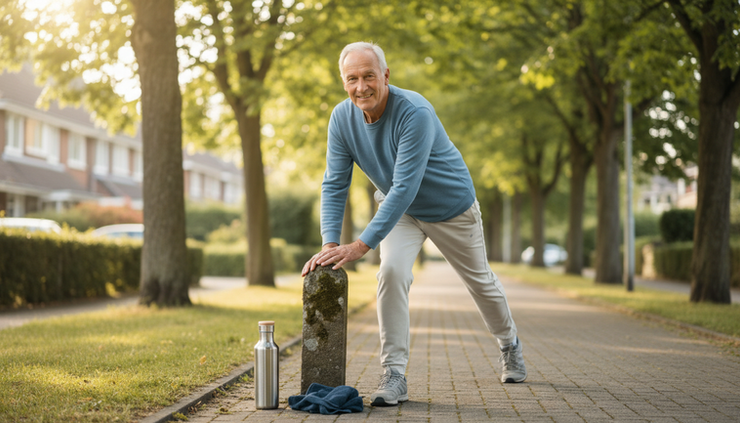
Hydration and exercise don’t have to be perfect. Start with one steady habit: drink a small glass of water before activity and keep a bottle nearby afterward. Then build from there.
If staying active feels easier with a little guidance, accountability, and a plan that fits real life, take a look at My Senior Coach pricing plans. A good routine should feel safe, doable, and flexible enough to keep going.


Comments