
How Much Cardio Do Seniors Need for Better Health

Cardio doesn’t have to mean jogging until your knees complain or spending an hour on a machine you don’t like. For better health, most older adults need a steady amount of movement that gets the heart working, the breathing a little faster, and the body used to showing up again tomorrow.
The simple target is this: aim for at least 150 minutes of moderate cardio each week, or about 30 minutes a day, 5 days a week.
That may sound like a lot at first. But those minutes can be split up. A 10-minute walk after breakfast, another after lunch, and one more in the evening all count. So does dancing in the kitchen, water aerobics, cycling on a stationary bike, or walking the aisles of a grocery store with a little purpose.
This article is for general information only and isn’t medical advice. If there’s chest pain, dizziness, shortness of breath that feels unusual, or a heart, lung, joint, or balance condition, it’s smart to check with a health care professional before changing an exercise routine.

The weekly cardio goal is simpler than it sounds
The most common guideline for adults, including many seniors, is:
150 minutes a week of moderate-intensity cardio
Or 75 minutes a week of vigorous-intensity cardio
Or a mix of both
Moderate cardio means the body is clearly working, but it still feels manageable. Breathing picks up, the heart beats faster, and conversation takes a little more effort.
A good test is the talk test.
If it’s possible to talk in short sentences but not sing, that’s likely moderate intensity. If only a few words come out before needing a breath, that’s closer to vigorous intensity.
For many seniors, moderate cardio is the sweet spot. It gives real health benefits without pushing the body too hard.
Common moderate cardio options include:
Brisk walking
Water aerobics
Riding a stationary bike
Light hiking on even ground
Dancing
Low-impact aerobics
Using an elliptical at an easy pace
Marching in place during TV breaks
The exact answer to how much cardio do seniors need can vary by health, mobility, and starting point. But the 150-minute weekly goal is a helpful guide for most people.
What counts as cardio for seniors
Cardio is any activity that uses large muscles and raises the heart rate for a sustained period. It doesn’t have to look like a workout class.
A walk around the block counts. So does pushing a lawn mower, if it’s safe. A gentle swim counts. A seated cardio video can count too, especially for anyone with balance concerns or limited mobility.
The key is rhythm and consistency.
If the movement gets the heart and lungs working for several minutes at a time, it belongs in the cardio bucket.
Here are a few choices that tend to work well later in life.
Walking is hard to beat
Walking is simple, free, and easy to adjust. The pace can change day to day. The route can be short or long. It can happen outdoors, at a mall, on a treadmill, or around the house.
To make walking more useful as cardio, try this:
Walk at an easy pace for 5 minutes. Then pick up the pace for 5 to 10 minutes. Slow down if breathing feels too hard. Finish with a few easy minutes.
That’s a solid workout, even if it only takes 15 to 20 minutes.
Water exercise is gentle on joints
Water walking, swimming, and water aerobics can be great for stiff knees, hips, or backs. The water supports body weight while still adding resistance.
That means the workout can feel gentle, but the body still does real work.
Stationary biking is joint-friendly
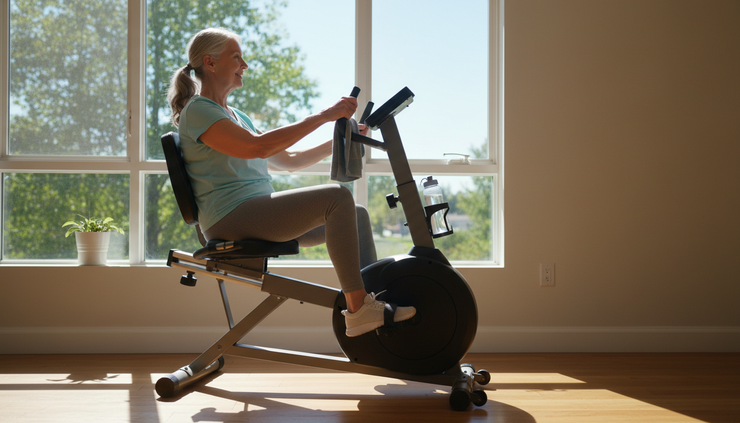
A recumbent bike can be useful for people who want support while moving. It’s often easier on the knees than walking hills or climbing stairs.
Start with low resistance. The first goal is time and comfort, not speed.
Chair cardio is still cardio
Seated marching, arm circles, heel taps, and gentle punches can raise the heart rate. This can be a safe option during recovery, bad weather, or days when balance feels less steady.
The workout doesn’t need to look impressive. It just needs to be safe and repeatable.

How to tell if the intensity is right
The right cardio pace should feel like work, not punishment.
Use a 1 to 10 effort scale. Sitting still is a 1. All-out effort is a 10. Moderate cardio usually feels like a 5 or 6.
That means:
Breathing is faster than normal
The body feels warm
Speaking is possible, but singing would be hard
The pace can be held for several minutes
Recovery happens within a few minutes after stopping
If the effort feels like an 8 or 9, slow down. If it feels like a 2 or 3, gently pick up the pace if it’s safe.
There’s no prize for suffering through a workout. The best cardio plan is one that can be done again later in the week.
A realistic weekly plan
The 150-minute goal doesn’t have to be done in long sessions. Short sessions count, especially when they add up.
Here’s a simple way to picture it.
Weekly plan | What it looks like | Best fit |
30 minutes, 5 days a week | A daily walk most weekdays | Good for routine lovers |
20 to 25 minutes, 6 days a week | Shorter sessions with more frequency | Good for lower stamina |
10 minutes, 3 times a day, 5 days a week | Mini-walks or chair cardio | Good for beginners |
40 to 50 minutes, 3 days a week | Longer workouts with rest days | Good for active seniors |
There’s nothing magic about those exact schedules. The goal is to find a pattern that feels doable.
For someone just starting, 150 minutes may be too much right away. That’s okay. Starting with 5 to 10 minutes a day is still a win.
A gentle first-month plan might look like this:
Week 1
Walk or move for 5 to 10 minutes, 4 days
Week 2
Move for 10 minutes, 5 days
Week 3
Move for 15 minutes, 5 days
Week 4
Try 20 minutes on some days, if the body feels ready
The body likes gradual change. Jumping from very little movement to daily long workouts can lead to sore joints, fatigue, or giving up.
Cardio helps more than the heart
Cardio is often talked about as heart exercise, and that’s true. Regular aerobic movement supports heart and lung health. It can also help with blood pressure, blood sugar control, cholesterol, mood, sleep, stamina, and daily energy.
For seniors, one of the biggest benefits is independence.
Cardio can make everyday tasks feel easier, such as:
Carrying groceries
Walking through a parking lot
Climbing a short flight of stairs
Keeping up on a trip
Doing housework without needing as many breaks
Playing with grandchildren
Getting up and moving after a long sit
Cardio also supports brain health. Research suggests regular physical activity may help with memory, mood, and thinking skills as people age. It’s not a cure-all, but it’s one of the most useful habits available.
And here’s the part that matters: benefits can begin before someone reaches the full 150 minutes. Any movement is better than none. More can be built over time.
Safety matters more than speed
A safe cardio routine should leave the body feeling used, not wrecked.
Before starting, it helps to think about the basics.
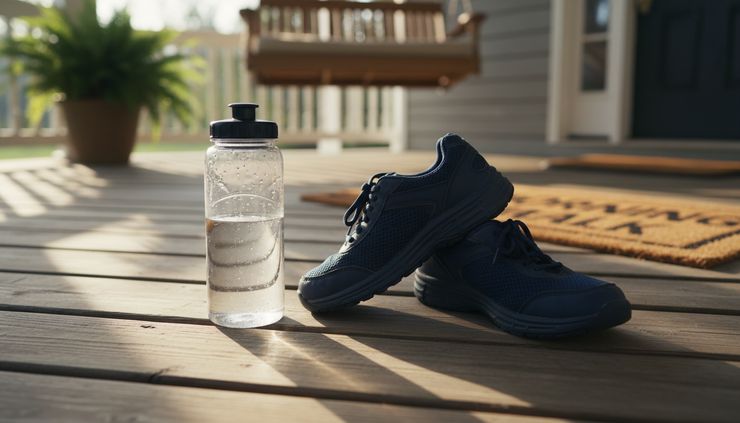
Wear supportive shoes. Choose well-lit places to walk. Use a cane, walker, rail, or walking partner if balance is a concern. Keep water nearby. Avoid outdoor exercise during extreme heat, icy conditions, or poor air quality.
A warm-up also helps. Start every session with 3 to 5 easy minutes. Let the body shift into movement before trying to go faster.
Then cool down at the end. Slow the pace for a few minutes instead of stopping suddenly.
Stop exercising and seek medical help if any of these happen:
Chest pain or pressure
Fainting or feeling like passing out
Sudden shortness of breath
New or severe dizziness
Pain that feels sharp or unusual
A racing or irregular heartbeat that feels concerning
Mild muscle fatigue is normal. Sharp pain, pressure, or feeling unsafe isn’t something to push through.
Don’t forget strength and balance
Cardio is a big piece of the health puzzle, but it isn’t the only one.
Many seniors also benefit from strength training at least 2 days a week. This can include light weights, resistance bands, wall push-ups, sit-to-stands from a chair, or bodyweight exercises.
Strength helps protect muscle and bone. It also makes cardio easier because the legs, hips, and core can handle more.
Balance work matters too. A few minutes of safe balance practice can help reduce fall risk. This might include heel-to-toe walking near a counter, standing on one foot while holding a sturdy surface, or practicing slow foot taps.
Think of it this way:
Cardio
Strength
Balance
Helps the heart, lungs, stamina, mood, and daily energy
Helps muscles, bones, posture, and getting up from chairs
Helps steadiness, confidence, and fall prevention
A well-rounded week has a little of each. But if cardio is the main goal right now, start there and build slowly.
When less cardio may be the right amount
Some days call for less. That doesn’t mean the plan has failed.
Poor sleep, illness, pain flare-ups, new medication, caregiving stress, or hot weather can all affect energy. On those days, a 10-minute easy walk may be plenty. Gentle stretching or chair movement may be the better choice.
The goal is consistency over months and years, not perfection on every Tuesday.
It helps to use three levels.
Easy day
A short walk, chair cardio, or gentle cycling for 5 to 15 minutes.
Regular day
Moderate cardio for 20 to 30 minutes.
Strong day
A longer walk, water class, bike ride, or a few short faster intervals mixed into a comfortable session.
This gives the routine flexibility. A plan that bends is easier to keep.
How to make cardio a habit that sticks
The easiest workout to repeat is the one tied to daily life.
Try walking right after breakfast. Put shoes by the door. Keep a light jacket ready. Choose a favorite path. Make it social if that helps. Or turn on music and do 10 minutes at home.
Some people like tracking minutes on a calendar. Others prefer checking off workout days. Either way, the brain likes visible progress.
A few small tricks can help:
Keep the first goal almost too easy
Repeat the same time of day
Pair cardio with something pleasant, like music or a podcast
Have an indoor backup plan
Celebrate consistency more than distance
If support would make it easier to build a safe, realistic routine, take a look at My Senior Coach pricing plans. A little guidance can help turn “I should exercise” into a plan that actually fits real life.
FAQ
Is walking enough cardio for seniors?
Yes, walking can be enough if the pace raises the heart rate and breathing. A casual stroll is still good movement, but a brisk walk usually gives more cardio benefit.
Can cardio be split into short sessions?
Yes. Short sessions count. Three 10-minute walks in a day can be just as useful as one 30-minute walk for many people.
Should seniors do cardio every day?
Daily movement is helpful, but hard cardio every day isn’t required. Many people do well with moderate cardio 5 days a week and lighter movement or rest on other days.
What’s the best cardio for bad knees?
Low-impact choices often work best, such as water exercise, stationary biking, chair cardio, or walking on flat ground. Pain should guide the plan. If knee pain is sharp or worsening, check with a clinician.
How long does it take to notice benefits?
Some people feel better energy or mood within a few weeks. Stamina often improves gradually with steady practice. The key is building up slowly and staying consistent.
The best amount is the amount you can repeat
For better health, most seniors should work toward 150 minutes of moderate cardio each week. That can be walking, water exercise, biking, dancing, chair cardio, or any safe movement that raises the heart rate.
Start smaller if needed. Build slowly. Keep the pace comfortable enough to repeat. Add strength and balance when there’s room.
The goal isn’t to train like an athlete. The goal is to feel steadier, stronger, and more capable in daily life. A few minutes today can become a habit. That habit can change how the whole week feels.


Comments