
Senior Mobility Guide for Safer Daily Movement

A lot of “mobility advice” sounds like it was written for someone training for a race. Daily movement for older adults is much more practical than that. It’s getting out of a chair without feeling shaky. Turning in the kitchen without losing balance. Walking to the mailbox, stepping into the shower, reaching a shelf, or getting in and out of the car with more confidence.
Mobility isn’t one single skill. It’s a mix of strength, balance, flexibility, coordination, and feeling steady in the places where life actually happens. The goal isn’t perfection. The goal is safer, easier movement throughout the day.
This Senior Mobility Guide for Safer Daily Movement gives simple ways to move better, reduce common trip risks, and build habits that fit into normal routines.
This article is for informational purposes only. If there’s new pain, dizziness, recent falls, surgery, or a medical condition that affects movement, check with a doctor, physical therapist, or qualified health professional before starting new exercises.
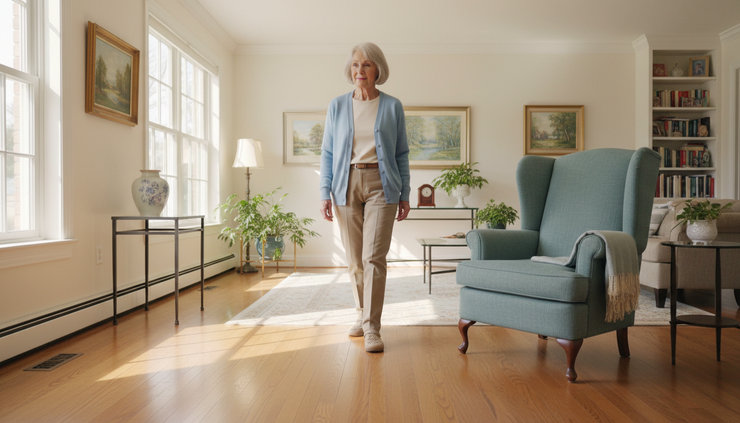
A good senior mobility guide starts with the movements used every day
Daily mobility isn’t only about stretching. Stretching can help, but most daily tasks need several skills working together.
Think about standing up from a chair. That simple move uses:
Leg strength
Hip and ankle mobility
Core control
Balance
Confidence shifting weight forward
Walking across a room adds more layers. The body has to clear the feet, adjust to flooring changes, turn safely, and react if something is in the way.
That’s why the best mobility work feels practical. It trains the body for real life.
Common daily movements worth practicing include:
Standing up from a chair
Sitting down with control
Turning around without rushing
Reaching into a cabinet
Stepping over a threshold
Walking while carrying a light item
Getting in and out of bed
Moving from room to room at night
A good routine doesn’t need to be long. A few minutes of focused movement, done often, can help the body stay familiar with the motions it uses every day.
Check the basics before adding exercises
Before trying new movements, it helps to look at the things that affect balance and safety the most. Mobility can improve faster when the environment, footwear, and daily setup support it.
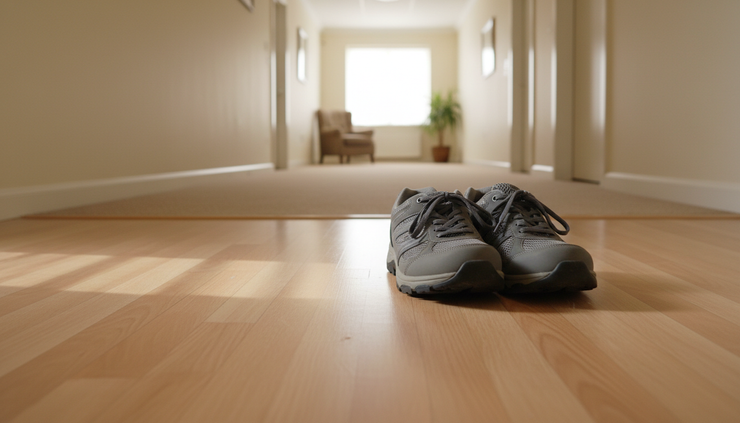
Wear shoes that help the body feel grounded
Slippers can feel comfortable, but loose slippers often make movement less secure. The foot may slide inside them, or the sole may catch on flooring.
A safer everyday shoe usually has:
A back or secure strap
A non-slip sole
A comfortable fit around the heel
Enough room for the toes
A low, stable base
Bare feet can also create problems if sensation in the feet is reduced. Socks on smooth floors are another common slip risk. Around the house, supportive indoor shoes can be a simple upgrade.
Make walking paths boring in the best way
The safest walking path is predictable. That means fewer surprises for the feet.
Look for:
Loose rugs
Electrical cords
Pet toys
Low furniture
Uneven thresholds
Clutter near doorways
Poor lighting in halls or bathrooms
The goal is not to make a home look empty. It’s to make the main walking routes clear enough that moving around doesn’t require constant scanning.
Pay attention to energy levels
Mobility changes during the day. Many people move better in the morning after loosening up, while others feel steadier later once medications, food, and hydration have kicked in.
Notice patterns like:
Feeling stiff after sitting a long time
Feeling lightheaded when standing quickly
Shuffling more when tired
Holding furniture more in the evening
Feeling less steady in low light
Those patterns are useful. They tell when to slow down, use support, or avoid harder tasks.
Build a simple daily movement routine
A useful routine should feel doable, not exhausting. It should warm up the joints, wake up the muscles, and practice balance in a safe way.
Use a sturdy chair, countertop, or wall for support. Move slowly. Stop if there’s pain, chest discomfort, unusual shortness of breath, or dizziness.
Start with a seated warmup
Seated movement is a good place to begin because it helps the body loosen up without asking for balance right away.
Try this:
March the feet
Sit tall and lift one knee, then the other. Keep the movement small if needed. Do this for 30 to 60 seconds.
Circle the ankles
Lift one foot slightly and circle the ankle both directions. Switch sides.
Open and close the hands
Make gentle fists, then spread the fingers wide. This helps with hand stiffness before tasks like gripping railings or opening doors.
Turn the upper body
Cross the arms loosely or hold the chair sides. Turn gently to one side, then the other. Keep the movement comfortable.
This warmup is especially helpful before standing after a long period of sitting.
Practice standing up with control
Chair stands are one of the most practical strength moves for daily life.
Use a sturdy chair that won’t slide. Scoot toward the front edge. Place feet flat on the floor, about hip-width apart. Lean forward slightly, press through the feet, and stand. Sit back down slowly.
Try 3 to 8 repetitions, depending on comfort.
A few tips:
Use the chair arms if needed
Avoid dropping into the chair
Keep knees pointing in the same direction as the toes
Pause between reps if breathing gets heavy
This movement should feel like practice, not a test.
Add gentle balance practice
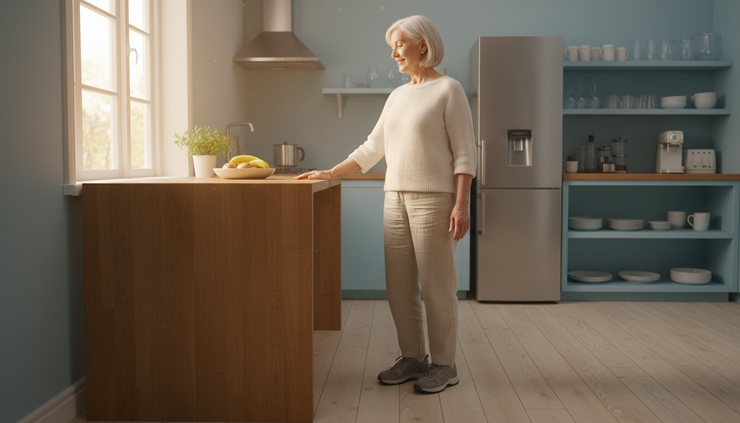
Balance exercises should feel safe. Stand near a counter or sturdy surface.
Try these options:
Side weight shifts
Stand tall and slowly shift weight from one foot to the other.
Toe raises
Lift the toes while keeping heels down. This helps with foot clearance.
Heel raises
Hold the counter and rise onto the balls of the feet, then lower slowly.
Mini marches
Lift one knee a little, set it down, then switch sides.
Keep the hands close to support. Touch the counter as much as needed.
Walk in short, regular doses
Walking is one of the best daily mobility habits, but it doesn’t have to happen all at once. Short walks count.
That might mean:
A few laps inside the home
A walk to the mailbox
A slow trip around the yard
A short walk in a grocery store
A hallway walk during TV breaks
If walking feels tiring, aim for consistency over distance. A few minutes several times a day may feel better than one long walk.
Make common daily movements safer
The places where falls happen are often ordinary places: bathrooms, stairs, bedrooms, kitchens, and doorways. Safer movement comes from slowing down at those transition points.
Getting out of a chair
Before standing, bring both feet under the body. Scoot forward. Lean the chest slightly forward, then stand.
After standing, pause for a moment before walking. This gives the body time to adjust.
Try the stand, pause, walk habit. It’s simple, and it can help reduce that rushed first step.
Turning around
Quick pivots can throw off balance. Instead, turn with small steps.
A safe turn looks like this:
Slow down
Keep feet moving
Turn in a small circle
Avoid twisting the body while the feet stay planted
This matters in kitchens, bathrooms, and tight hallways.
Reaching for items
Reaching overhead or far to the side can pull the body off balance. Whenever possible, store daily items between shoulder and waist height.
For higher shelves:
Move closer first
Keep one hand on a stable surface if possible
Use a proper step stool with a handle only if balance is steady
Avoid standing on chairs
For lower cabinets, use a reacher tool or ask for help with heavy items.
Getting in and out of bed
A steady bed routine can make mornings and nights safer.
To get out of bed:
Roll onto one side.
Slide the legs toward the edge.
Push up with the arms.
Sit for a moment.
Stand slowly.
That short seated pause can make a big difference, especially if standing quickly causes lightheadedness.
Use support tools without feeling awkward about it
Canes, walkers, grab bars, raised toilet seats, shower chairs, and reacher tools are not signs of failure. They’re tools. The right tool can make movement safer and help save energy for things that matter more.
A cane or walker should fit correctly. If it’s too high, too low, or used on the wrong side, it can create new problems. A physical therapist or trained professional can help with sizing and technique.
Helpful home supports often include:
Grab bars near the toilet and shower
Non-slip bath mats
A shower chair or bench
Night lights in halls, bedrooms, and bathrooms
Railings on both sides of stairs when possible
A firm chair with arms
A reacher for dropped or high items
Small tools can remove a lot of daily strain. For example, a shower chair can turn bathing from a tiring balance challenge into a calmer routine.
Know the signs that extra help is needed
Some changes deserve attention. They don’t always mean something serious is wrong, but they’re worth discussing with a healthcare professional.
Watch for:
New or worsening pain with movement
Feeling dizzy when standing
Frequent near-falls
Holding walls or furniture more often
Trouble getting up from a chair
New foot dragging or shuffling
Fear of walking in familiar places
Avoiding showers, stairs, or errands due to balance concerns
Fear of falling can shrink daily life. It may lead to less movement, which can make weakness and stiffness worse. Getting help early can protect independence.
Support might include a balance assessment, physical therapy, medication review, vision check, or home safety evaluation.
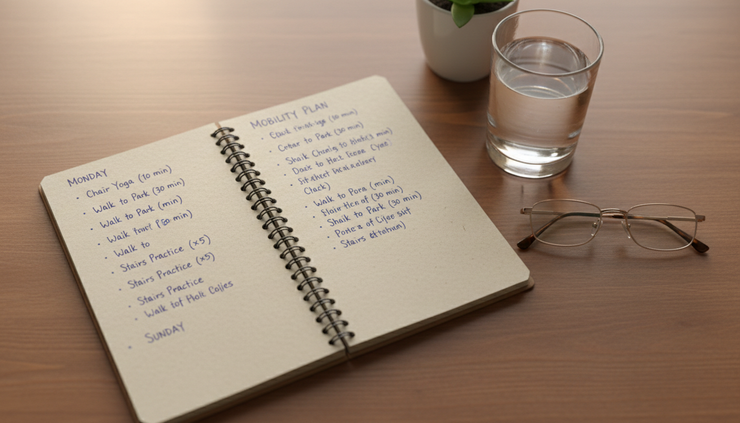
Try a realistic weekly mobility plan
A plan keeps things simple. It also makes mobility feel like part of the day instead of another chore.
Here’s a gentle framework:
Day | Focus | Simple idea |
Monday | Chair strength | 3 to 8 chair stands |
Tuesday | Balance | Weight shifts at the counter |
Wednesday | Walking | Short indoor or outdoor walk |
Thursday | Flexibility | Seated ankle circles and gentle turns |
Friday | Strength | Chair stands and heel raises |
Saturday | Real-life practice | Safe reaching, turning, and walking paths |
Sunday | Easy movement | Light walking and rest as needed |
This isn’t a strict schedule. It’s a menu. Pick what fits the day.
The best plan is one that feels safe enough to repeat. If doing five minutes is realistic, do five minutes. If one exercise is enough today, that still counts.
For more guided support with healthy aging routines, daily check-ins, and coaching options, take a look at My Senior Coach pricing plans.
FAQ
How much daily movement is enough for older adults?
A good starting point is a few short movement sessions during the day. Even 3 to 5 minutes at a time can help if it’s done consistently. The right amount depends on health, strength, balance, and energy level.
Is it normal to feel stiff after sitting?
Yes, mild stiffness after sitting is common. Gentle seated movement before standing can help. If stiffness is painful, sudden, or getting worse, it’s smart to ask a healthcare professional.
Should a cane be used on the weaker side?
Usually, a cane is held on the stronger side so it can support the weaker leg during walking. Fit and technique matter, so getting personal instruction is best.
What’s the safest exercise for balance?
There isn’t one safest exercise for everyone. Counter-supported weight shifts, mini marches, and heel raises are common gentle options. The key is having something sturdy nearby and staying within a comfortable range.
When should someone ask for mobility help?
Ask for help after a fall, repeated near-falls, new dizziness, worsening pain, or growing fear of daily movement. Early support can make everyday tasks safer and less stressful.
Keep the goal simple
Safer mobility doesn’t come from one perfect workout. It comes from small habits repeated often: standing with control, pausing before walking, clearing pathways, using good lighting, wearing steady shoes, and practicing gentle movement.
Start with the movement that matters most right now. Maybe it’s getting out of a chair. Maybe it’s walking to the bathroom at night. Maybe it’s feeling steadier in the kitchen.
Pick one small change today, then build from there. That’s how daily movement gets safer, more confident, and easier to keep.


Comments