
The Best Anti Inflammatory Habits for Seniors to Stay Active

Staying active gets a lot easier when your joints feel less cranky, your energy lasts longer, and recovery doesn’t take three days after a walk around the block.
Inflammation is part of how the body heals. That’s a good thing. But when inflammation stays “turned on” too often, it can make stiffness, soreness, fatigue, and chronic health problems worse. For seniors who want to keep walking, gardening, golfing, dancing, traveling, or just getting up from a chair with more ease, daily habits matter.
The goal isn’t to overhaul your whole life overnight. The best anti inflammatory habits are small, repeatable choices that help your body calm down and keep moving.
This post is for general information only and isn’t medical advice. If you have a health condition, take blood thinners, have diabetes, or manage chronic pain, check with your doctor before making major changes to your diet, supplements, or exercise routine.
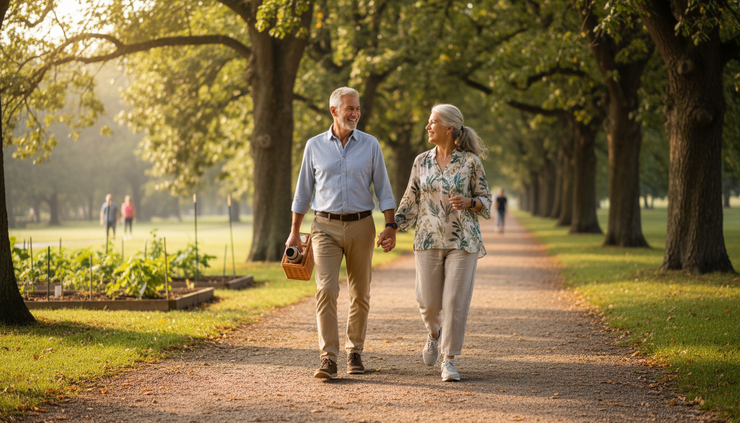
Start with an anti inflammatory plate most days
Food is one of the most practical places to start because it affects your whole body. You don’t need a perfect diet. You need a pattern that supports steady energy, healthy digestion, and less irritation in the body.
A simple anti inflammatory plate looks like this:
Half the plate
Colorful vegetables or fruit
One quarter of the plate
Protein such as fish, chicken, eggs, beans, lentils, tofu, Greek yogurt, or cottage cheese
One quarter of the plate
Whole grains or starchy vegetables like oats, brown rice, quinoa, sweet potatoes, or corn
A little healthy fat
Olive oil, avocado, nuts, seeds, or nut butter
This style of eating is close to the Mediterranean pattern, which research often links with heart and brain health. It’s also flexible. A meal can be as simple as scrambled eggs with spinach, whole-grain toast, and berries. Or salmon with roasted vegetables and a baked sweet potato.
Add more color without making meals complicated
Colorful plants contain fiber, vitamins, minerals, and plant compounds that support normal immune function. Try to get a mix across the week rather than forcing five colors into every meal.
Easy options include:
Blueberries stirred into oatmeal
Spinach added to soup
Tomato slices on a sandwich
Frozen mixed vegetables with dinner
Chopped peppers in eggs
An apple with peanut butter
Carrots and hummus
Frozen and canned produce count. If using canned vegetables or beans, rinse them to reduce sodium.
Choose fats that help more than they hurt
Some fats can support a calmer inflammatory response. Others, especially when eaten often in heavily processed foods, may do the opposite.
Good everyday choices include:
Extra-virgin olive oil
Walnuts
Ground flaxseed
Chia seeds
Avocado
Fatty fish such as salmon, sardines, trout, or tuna
That doesn’t mean every meal has to be fancy. Olive oil on vegetables, tuna on whole-grain crackers, or walnuts in yogurt all count.
Keep moving, stay active but don’t punish your seniors joints
Movement is one of the strongest habits for seniors staying active. It helps lubricate joints, maintain muscle, support balance, and improve mood. The trick is choosing movement your body can recover from.
For many seniors, the best plan is a mix of walking, strength, balance, and mobility.
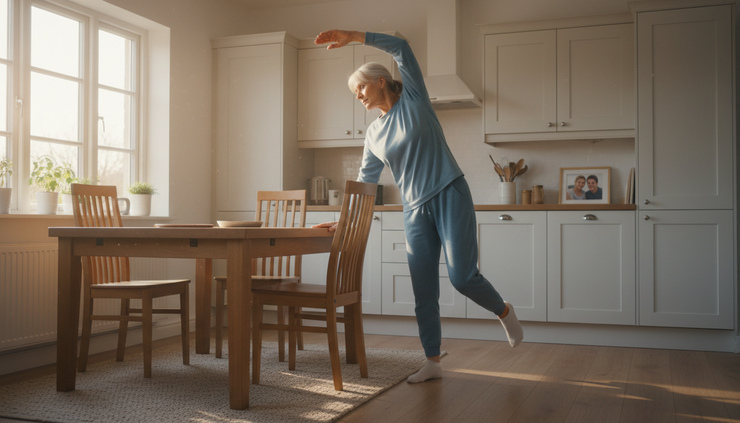
Walk in a way that feels doable
Walking is underrated. It’s free, familiar, and easy to adjust.
If 30 minutes feels like too much, break it up:
10 minutes after breakfast
10 minutes after lunch
10 minutes before dinner
If you’re building back after illness, surgery, or a long inactive stretch, start smaller. Even five minutes can be a win. The body likes consistency.
A helpful rule is to finish feeling like you could do a little more. That makes it easier to come back tomorrow.
Strength training keeps independence within reach
Muscle loss tends to become more noticeable with age. Less muscle can make stairs, grocery bags, laundry baskets, and getting out of chairs harder than they should be.
Strength training doesn’t have to mean a gym. It can include:
Standing up from a chair several times
Wall pushups
Light dumbbell curls
Resistance band rows
Heel raises while holding a counter
Step-ups on a low step
Aim for controlled movement, not speed. If a movement causes sharp pain, stop and ask a physical therapist, trainer, or clinician for guidance.
Balance practice lowers the “what if I fall” fear
Fear of falling can make people move less. Moving less can weaken strength and balance. That cycle is frustrating, but it can be changed.
Try balance work near a sturdy counter:
Stand with feet close together
Shift weight side to side
Practice heel-to-toe standing
Lift one foot slightly while holding on
March slowly in place
Keep it safe. Balance exercises should challenge you a little, not scare you.
Make sleep a real part of recovery
Poor sleep can leave the body feeling more sensitive to aches and stress. It can also make cravings stronger and motivation weaker the next day.
Sleep doesn’t always come easily with age. Bathroom trips, medications, pain, stress, sleep apnea, and changing sleep cycles can all play a role. Still, a few habits can help.
Keep a steady sleep rhythm
Try to wake up around the same time most days. Morning light helps set the body’s internal clock, so open the curtains or step outside for a few minutes if you can.
At night, give your body a cue that the day is winding down:
Dim bright lights
Turn off loud TV or news
Stretch gently
Read something calming
Sip caffeine-free tea if it suits you
Keep the room cool and comfortable
If pain wakes you often, don’t just tough it out. Talk with a healthcare provider. Better pain control may improve sleep, and better sleep may make pain feel more manageable.
Watch caffeine and alcohol timing
Caffeine can linger for hours. If sleep is choppy, try having coffee or tea earlier in the day.
Alcohol may make you sleepy at first, but it can disrupt sleep later in the night. If you notice worse sleep after wine, beer, or cocktails, keep track for a week. Your own pattern is useful information.
Calm stress before it settles into the body
Stress is not just “in your head.” When stress sticks around, the body can stay on alert. Muscles tighten. Sleep suffers. Blood pressure may rise. Pain can feel louder.
You don’t need a silent retreat to lower stress. Small daily pauses can help your nervous system settle.
Try one of these:
Breathe in for four counts and out for six counts
Sit outside for five minutes
Listen to calming music
Call a friend
Pray or meditate
Write down three things that went right today
Do a slow body scan from head to toe
The point is to give the body a clear message: we’re safe right now.
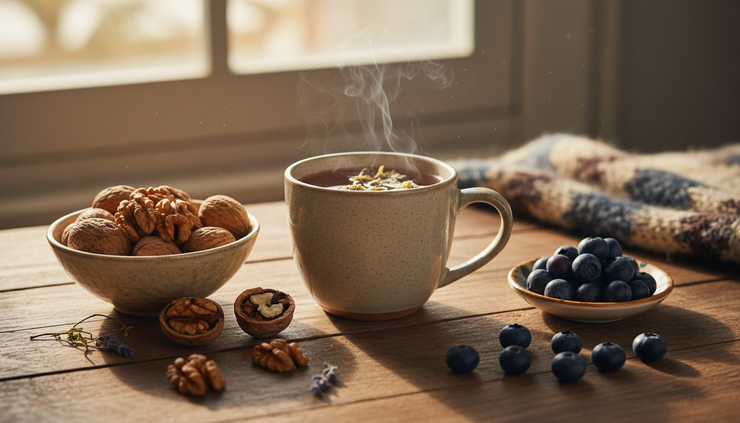
Stay hydrated and pay attention to digestion
Dehydration can show up as fatigue, dizziness, headaches, constipation, or muscle cramps. Some seniors feel less thirsty than they used to, so waiting for thirst isn’t always reliable.
Water is the simplest choice, but fluids can also come from:
Soup
Milk or fortified soy milk
Herbal tea
Water-rich fruit like oranges or melon
Vegetables like cucumbers and tomatoes
If your doctor has you on fluid limits for heart, kidney, or other medical reasons, follow that advice.
Digestion matters too. A healthy gut supports immune function, and fiber is a big part of that. Add fiber slowly if you’re not used to much, and drink enough fluid with it.
Good fiber choices include:
Oats
Beans
Lentils
Berries
Apples
Ground flaxseed
Vegetables
Whole-grain bread or cereal
If beans bother your stomach, start with a small amount, like two tablespoons, and build from there.
Cut back on the habits that fan the flames
No one eats perfectly or lives perfectly. Still, a few patterns tend to work against healthy inflammation levels when they show up too often.
The big ones include:
Frequent sugary drinks
Lots of packaged sweets
Heavily processed meats
Fried fast food
Large portions of refined carbs
Smoking
Too much alcohol
Sitting for long stretches without breaks
You don’t have to ban everything. A better approach is to choose what’s worth it and what’s just habit.
For example, if you love dessert after dinner, enjoy a small serving and slow down while eating it. But if you’re drinking soda every afternoon without thinking, try replacing it with flavored sparkling water a few days a week.
Break up sitting time
Long sitting can make stiffness worse. Set a simple cue:
Stand during TV commercials
Walk around during phone calls
Do five chair stands before lunch
Stretch calves while the coffee brews
Take one lap around the house every hour
Tiny breaks add up, especially on days when a full workout isn’t happening.
Build a weekly routine that actually fits your life
The best routine is one you’ll repeat. Start with a week that feels almost too easy.
Here’s a simple example:
Day | Movement | Food focus | Recovery habit |
Monday | 15-minute walk | Add berries at breakfast | Stretch before bed |
Tuesday | Chair strength routine | Use olive oil with dinner | Turn screens off earlier |
Wednesday | 10-minute walk twice | Add beans or lentils | Call a friend |
Thursday | Balance practice | Eat fish or another protein | Short breathing exercise |
Friday | Gentle yoga or stretching | Add an extra vegetable | Warm bath or shower |
Saturday | Walk somewhere pleasant | Choose a colorful lunch | Sit outside |
Sunday | Rest or light movement | Prep easy snacks | Plan the week |
This is where support can make things easier. If it helps to have guidance, structure, or encouragement, take a look at My Senior Coach pricing plans and see which option fits your goals.
FAQ
What is the fastest way to reduce inflammation naturally?
There’s no instant fix, but the quickest place to start is with the basics: eat more whole foods, walk most days, sleep better, drink enough water, and cut back on sugary and heavily processed foods. Small changes done daily usually work better than extreme plans.
Are eggs inflammatory for seniors?
For most people, eggs can fit into a healthy diet. They provide protein and nutrients that support muscle. If you have heart disease, high cholesterol, diabetes, or specific dietary restrictions, ask your doctor or dietitian what amount makes sense for you.
Is coffee okay on an anti inflammatory diet?
Coffee can fit for many adults, and some research links it with health benefits. The issue is often what goes into it. Lots of sugar, flavored syrups, or heavy cream can turn it into more of a dessert. Also, caffeine late in the day may hurt sleep.
What exercise is best for inflammation and joint stiffness?
Low-impact movement is often a good place to start. Walking, swimming, cycling, tai chi, gentle yoga, and resistance bands can all help. Strength training is especially useful because stronger muscles support the joints.
Should seniors take anti inflammatory supplements?
Some supplements may help certain people, but they can also interact with medications. This is especially true for blood thinners, diabetes medicines, and blood pressure drugs. Talk with a healthcare provider before starting turmeric, fish oil, or any new supplement.
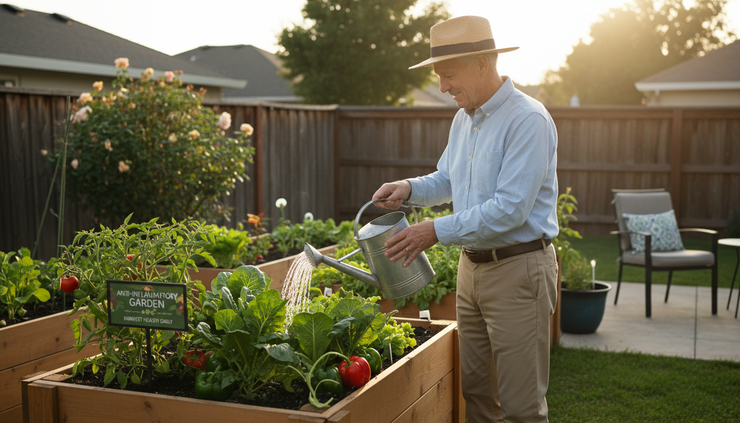
The habit that matters most is the one you’ll keep
Staying active doesn’t come from one perfect meal, one hard workout, or one supplement. It comes from the steady rhythm of caring for your body in ordinary ways.
Eat colorful foods. Move gently and often. Build strength. Sleep as well as you can. Keep stress from taking over the day. Drink water. Take breaks from sitting.
Pick one habit from this list and make it easy enough to do tomorrow. Then do it again. That’s how active aging becomes less of a wish and more of a daily routine.


Comments