
What Physical Therapists Want Seniors to Know About Pain

Pain can feel scary, especially when it shows up during everyday things like getting out of a chair, walking to the mailbox, or reaching into a cabinet. It’s easy to think, “Something must be wrong,” or “I’d better stop before I make it worse.”
Physical therapists see this all the time. And one of the biggest things they want older adults to know is this: pain is real, but it doesn’t always mean damage.
That small shift can change how you move, how you recover, and how much confidence you feel in your own body.
This article is informational only and isn’t a substitute for medical care. If pain is new, severe, worsening, or linked with other concerning symptoms, it’s best to check in with a health professional.
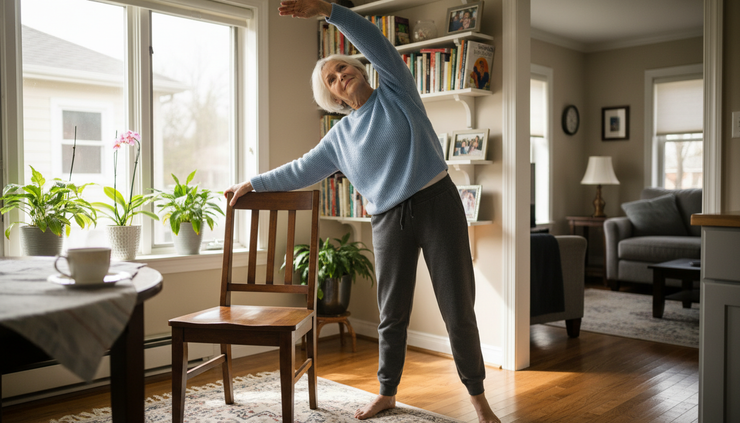
Pain for seniors is a message, not always an injury report
Pain is your body’s alarm system. Sometimes that alarm is warning you about tissue damage, like a sprain, fracture, burn, or infection. Other times, the alarm gets extra sensitive.
Think about a smoke detector. It should go off when there’s a fire. But sometimes it screams because toast got too dark. The sound is real, and it needs attention, but it doesn’t always mean the house is burning down.
Pain can work the same way.
A physical therapist may look at:
How long the pain has been there
What movements make it better or worse
Whether strength, balance, or flexibility has changed
Whether pain is keeping someone from normal activities
Whether there are warning signs that need medical care
This matters because fear can make pain bigger. When every ache feels dangerous, it’s natural to move less. Then muscles weaken, joints stiffen, balance gets shakier, and simple tasks start feeling harder.
That cycle is common, but it’s not a life sentence.
Pain deserves respect, not panic. A good plan helps figure out what the pain is trying to say.
Rest helps some pain, but too much rest can backfire
Rest has its place. If pain comes from a fall, illness, flare-up, or a new injury, the body may need a short break. But long stretches of doing very little can make many pain problems worse.
Joints like movement. Muscles need regular use. Nerves often calm down when the body feels safe moving again.
Physical therapists often explain it this way: the goal isn’t to push through terrible pain. The goal is to find the amount of movement your body can handle today, then build from there.
A helpful guide is the “traffic light” idea.
Green light
Yellow light
Red light
Mild discomfort that eases as you move or settles soon after activity
Pain that increases during activity but calms down with rest or a change in pace
Sharp, severe, spreading, or unusual pain that keeps worsening
Green usually means keep going gently. Yellow means adjust. Red means stop and get help if needed.
For example, knee arthritis may feel stiff during the first few steps in the morning. After a little walking, it may loosen. That doesn’t mean the knee is being ruined. It may mean the joint needs a gradual warm-up.
On the other hand, sharp pain after a fall, sudden swelling, or pain that makes it impossible to bear weight needs medical attention.
Movement should be graded, not guessed
One thing physical therapists are good at is finding the right starting point. That starting point may be smaller than expected, and that’s okay.
For one person, it might be five sit-to-stands from a dining chair. For someone else, it might be two minutes of walking inside the house. Another person might begin with ankle pumps, gentle shoulder rolls, or slow breathing to calm the nervous system.
The key is consistency.
A safe movement plan often includes:
Strength work
This helps with stairs, getting up from chairs, carrying groceries, and staying steady.
Balance practice
This can reduce fall risk and rebuild confidence.
Range of motion
Gentle movement helps joints stay less stiff.
Walking or light cardio
This supports circulation, endurance, mood, and daily function.
Recovery time
Rest days and lighter days help the body adapt.
The best exercise isn’t the hardest one. It’s the one that gets done regularly without causing a major flare.

Pain can be affected by sleep, stress, and mood
Pain isn’t only about muscles and joints. The nervous system listens to the whole body.
Poor sleep can make pain feel stronger. So can stress, grief, loneliness, fear of falling, or worry about losing independence. That doesn’t mean pain is “in your head.” It means the brain and body are connected.
Physical therapists often ask about sleep, daily routine, activity level, and stress because those things can affect recovery.
A few small habits can help turn the pain alarm down:
Keep a regular sleep and wake time when possible
Use heat or gentle movement in the morning if stiffness is common
Break chores into shorter rounds with rests between
Practice slow breathing during a pain flare
Spend a few minutes outside if it’s safe and comfortable
Stay connected with friends, family, or community activities
Pain often feels worse when life gets smaller. A good recovery plan should help bring life back in, piece by piece.
“No pain, no gain” is not the goal
Many people grew up hearing that progress has to hurt. Physical therapists tend to be much more practical than that.
Some discomfort can be normal when the body is learning a new movement or getting stronger. But pain that is intense, sharp, or lingers for days is usually a sign that the plan needs adjusting.
A better phrase might be: challenge, then recover.
For example, after doing leg exercises, the thighs may feel tired or mildly sore the next day. That’s common. But if knee pain jumps from mild to severe and walking is worse for two days, that was probably too much.
The body responds well to small increases. That might mean:
Adding one or two extra repetitions
Walking one more minute
Standing a little taller during balance practice
Using a slightly stronger resistance band
Doing the same routine with better control
Progress doesn’t need to be dramatic. It needs to be repeatable.
Pain medicines can help, but they’re not the whole plan
Medication can be useful. A doctor may recommend over-the-counter or prescription options depending on the type of pain, medical history, and other medications. For some people, injections or surgery may also be part of care.
But physical therapists want seniors to know that pain relief and function are not always the same thing.
A pill might reduce pain for a few hours. That can help someone move more comfortably. But strength, balance, mobility, and confidence still need practice.
The best plan often combines several pieces:
Medical guidance when needed
Physical therapy or guided exercise
Safe activity pacing
Good sleep habits
Home safety changes
Support for daily routines
This is especially true for long-term pain. When pain has been around for months or years, the body often needs a gradual retraining plan, not just a quick fix.
Watch for pain that needs prompt medical attention
Most aches and pains don’t mean an emergency. Still, some symptoms should never be ignored.
Get medical help promptly if pain comes with:
Chest pressure, shortness of breath, sweating, or pain spreading to the arm, jaw, or back
Sudden weakness, facial drooping, confusion, or trouble speaking
A fall with severe pain, swelling, or inability to stand or walk
New loss of bladder or bowel control
Fever, unexplained weight loss, or feeling very ill
A hot, red, swollen joint
Severe headache that feels unusual
New numbness or weakness that doesn’t go away
Pain that wakes someone up night after night and keeps getting worse
If something feels very wrong, don’t try to “walk it off.”
Physical therapists are movement experts, but they also know when pain needs a medical workup. A good therapist won’t dismiss red flags.
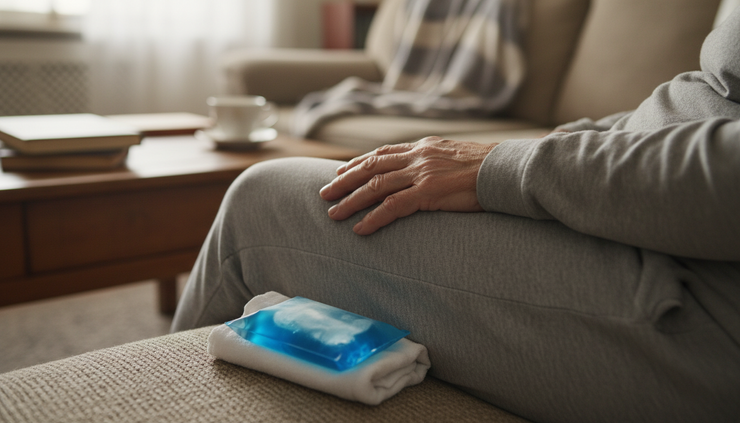
The way pain is described matters
Physical therapists ask a lot of questions because details help.
Instead of saying only “my hip hurts,” it helps to describe what’s happening in everyday terms.
Useful details include:
When the pain started
Whether it came on suddenly or slowly
Where it is felt
Whether it spreads anywhere
What it feels like, such as aching, burning, stabbing, tingling, or tight
What makes it better
What makes it worse
What activities it limits
Whether it changes during the day
What has already been tried
A simple pain journal can help for a week or two. It doesn’t need to be fancy. Write down the activity, pain level, and what happened afterward.
For example:
Activity | Pain during | Later that day |
Walked 5 minutes | 3 out of 10 | Felt looser |
Vacuumed living room | 6 out of 10 | Back sore all evening |
Did chair exercises | 2 out of 10 | No flare |
Patterns like this make care more personal. They help separate helpful movement from overload.
Confidence is part of recovery
Pain often steals trust in the body.
After a fall, surgery, illness, or a long pain flare, people may avoid movements that used to feel automatic. Getting into the shower. Stepping off a curb. Turning quickly. Carrying laundry.
Physical therapists don’t just treat pain. They help rebuild confidence in movement.
That may include practicing real-life tasks in a safe way:
Getting in and out of a chair
Climbing one step at a time
Reaching into a cabinet
Walking while turning the head
Getting up from the floor if appropriate
Using a cane or walker correctly
Learning how to pace errands and chores
Small wins matter. Standing up with less effort matters. Walking to the mailbox with less worry matters. Sleeping better matters.
Recovery is often built from ordinary moments.
A few home changes can reduce painful flare-ups
Sometimes pain gets worse because the environment asks too much of the body.
A few simple changes may help:
Put frequently used items between shoulder and waist height
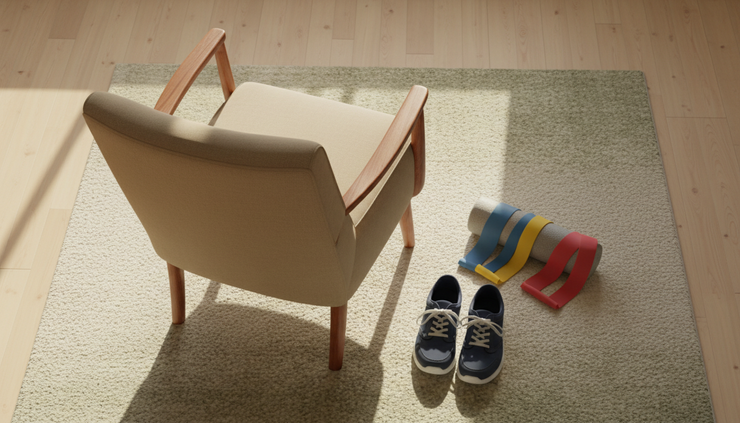
Use a sturdy chair with arms if getting up is hard
Remove loose rugs or clutter that increase fall risk
Keep a night-light on the path to the bathroom
Wear supportive shoes inside if barefoot walking increases pain
Use a cart or smaller bags for groceries
Sit for tasks like folding laundry or chopping vegetables when needed
These changes aren’t signs of weakness. They’re smart ways to save energy and reduce strain.
The goal is to keep doing meaningful things with less pain and less risk.
Support can make the plan easier to stick with
Pain is harder to manage alone, especially when appointments, exercises, home safety, and daily routines all start to feel like a lot.
If extra guidance would help, My Senior Coach offers support designed for older adults and families navigating care decisions, routines, and next steps. You can review the available senior support plans to see what fits.
FAQ
Is pain a normal part of aging?
Some stiffness and aches become more common with age, but constant or worsening pain shouldn’t be brushed off as “just aging.” Many causes of pain can improve with the right plan.
Should exercise hurt when I’m trying to get stronger?
Mild discomfort or muscle soreness can happen, especially at first. Sharp, severe, or lasting pain is a sign to stop, change the activity, or ask a professional.
Is it better to use heat or ice?
Heat often helps stiffness and tight muscles. Ice may help after a sudden flare, swelling, or irritation. Some people prefer one over the other, and that’s okay. Avoid extreme temperatures and protect the skin.
When should I see a physical therapist?
Consider it when pain limits walking, balance, sleep, chores, or hobbies. A therapist can also help after a fall, surgery, joint replacement, or a long period of inactivity.
Can chronic pain really improve?
Yes, many people with long-term pain improve their function, confidence, and comfort. The pain may not disappear overnight, but the body can often learn to move with less fear and less sensitivity.
The main thing to remember
Pain is information. It’s not always a stop sign.
Physical therapists want older adults to feel less afraid of movement and more curious about what the body can still do. With the right guidance, the right pace, and attention to warning signs, pain can often be managed in a way that protects independence rather than shrinking it.
Start small. Stay steady. Ask for help when pain is confusing or getting in the way. Your body may be more adaptable than it feels right now.


Comments