
Why Seniors Lose Muscle and How to Get It Back

One day, the grocery bags feel heavier. Getting out of a low chair takes a little more effort. Stairs that used to be no big deal start asking for a pep talk.
That change can feel frustrating, but it’s also common. Muscle loss with age is real, and it has a name: sarcopenia. The good news is that muscle can often be rebuilt, even later in life. It doesn’t require a gym obsession or workouts that leave anyone wiped out. It usually takes a mix of strength training, enough protein, better daily movement, and a plan that fits real life.
This article is for general information only. If there’s heart disease, joint pain, diabetes, osteoporosis, balance trouble, or a recent illness or surgery in the picture, it’s smart to check with a health care professional before starting a new exercise routine.

Muscle loss happens for more than one reason
Aging does change the body, but muscle loss usually isn’t caused by age alone. It’s more like several small things adding up over time.
The body builds muscle more slowly
Muscle is always going through a cycle of breakdown and repair. When we’re younger, the body usually repairs and rebuilds muscle more easily. With age, that signal can get weaker. The body may need a stronger nudge from resistance exercise and enough protein to start building well again.
This is one reason casual walking, while great for the heart and joints, may not be enough by itself. Walking helps maintain endurance, but muscles also need to push, pull, lift, and resist.
Activity often drops without much notice
A little less yard work. Fewer long walks. More time sitting after retirement, illness, caregiving, or pain. None of that means someone is lazy. Life changes.
But muscles are practical. They keep what gets used and let go of what doesn’t. If the legs aren’t asked to stand from a chair often, climb steps, or carry things, the body gets the message that less muscle is needed.
That’s why even simple strength moves can matter. A sit-to-stand exercise is basically practice for one of the most important movements of daily life.
Appetite and protein intake may decline
Many older adults eat smaller meals than they used to. Appetite can dip because of medications, dental issues, digestion changes, changes in taste, or just living alone and not wanting to cook much.
The problem is that muscle needs building blocks. Protein provides those. If meals are mostly toast, crackers, soup, cereal, or tea and cookies, there may not be enough protein to help repair and rebuild muscle.
Good protein options can include:
Eggs
Greek yogurt or cottage cheese
Fish or chicken
Lean beef or turkey
Beans, lentils, or tofu
Milk or fortified soy milk
Protein smoothies, if chewing or appetite is a challenge
Illness and bed rest can speed things up
A hospital stay, a bad flu, surgery, or a few weeks of reduced movement can cause noticeable weakness. This can happen fast. The less someone moves, the harder it can feel to start moving again.
The key is not to wait for “full energy” before rebuilding. Gentle movement, done safely, is often part of getting that energy back.
Hormones, nerves, and inflammation play a role
Age-related changes in hormones and nerve signals can also affect muscle. Some chronic conditions can add inflammation or fatigue, which makes staying active harder.
This doesn’t mean getting stronger is out of reach. It means the plan may need to be more patient, more consistent, and sometimes guided by a doctor, physical therapist, or qualified trainer.
When seniors lose muscle it affects more than strength
Muscle isn’t just for lifting heavy things. It supports balance, bones, blood sugar control, posture, and independence.
When seniors lose muscle, everyday tasks can become harder:
Standing up from a chair
Getting in and out of a car
Carrying groceries
Climbing stairs
Opening heavy doors
Recovering from a stumble
Keeping up on walks with family or friends
Muscle also acts like a reserve. When illness or injury hits, a stronger body has more to draw from.
Stronger muscles can make ordinary days easier. That’s the real goal, not looking a certain way.
A good muscle-building plan should connect directly to daily life. If the goal is easier stairs, train the legs. If carrying laundry is tough, train the grip, arms, back, and core. If balance feels shaky, train strength and stability together.
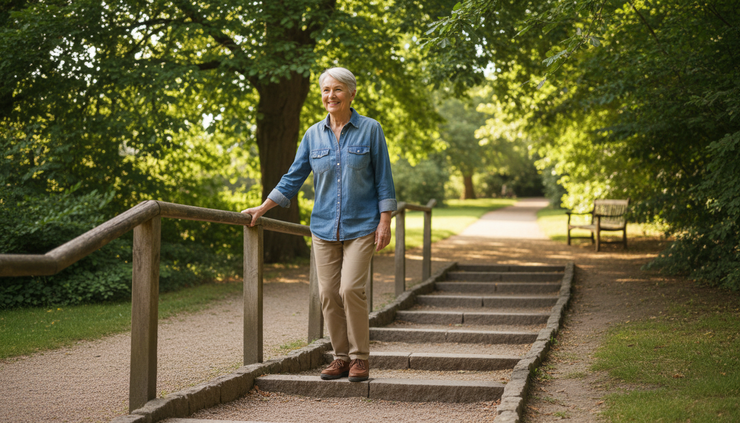
Strength training is the main way to get muscle back
If there’s one habit that changes the story, it’s strength training. The muscles need a reason to grow stronger, and that reason is resistance.
Resistance can come from:
Body weight
Dumbbells
Resistance bands
Weight machines
Water exercise
Household items, like a backpack with a few books
The best starting point is the one that feels safe and repeatable.
Start with the big daily movements
A simple routine can cover most of the body without being complicated. These moves can be adjusted for comfort and ability.
Sit-to-stand
Use a sturdy chair. Stand up, sit back down slowly, and repeat. Use hands if needed at first. Over time, try using the legs more.
Wall push-up
Stand facing a wall, place hands on the wall, bend the elbows, and press back. This helps the chest, shoulders, and arms.
Heel raises
Hold a counter or chair. Rise onto the toes, then lower slowly. This strengthens the calves and supports balance.
Band row
Loop a resistance band around a sturdy object or hold it safely. Pull elbows back as if squeezing shoulder blades together. This helps posture and upper back strength.
Step-ups
Use a low step and a handrail. Step up, step down, and switch sides. Keep it controlled.
The first goal isn’t soreness. The first goal is clean movement and confidence.
Use the right level of effort
Strength training should feel like work, but not like punishment. A helpful guide is this: by the last few repetitions, the muscle should feel tired, but form should still look good.
If a move feels easy forever, the body has no reason to change. Over time, progress can come from:
Adding one or two more repetitions
Using a slightly stronger resistance band
Holding light weights
Doing the movement more slowly
Adding another set
Small increases are enough. There’s no need to rush.
Train two or three days a week
Many people do well with strength training two to three times per week, with rest days in between. Muscles rebuild during recovery, not just during exercise.
A sample beginner week might look like this:
Day | Focus |
Monday | Strength routine |
Tuesday | Easy walk or stretching |
Wednesday | Rest or light activity |
Thursday | Strength routine |
Friday | Walk, balance practice, or gardening |
Saturday | Optional gentle strength or longer walk |
Sunday | Rest |
This is just an example. The best plan is the one that can be repeated without dread.
Protein and meals matter more than people think
Exercise tells the muscles to rebuild. Food gives them the materials.
Protein is the big one, but overall calories matter too. If someone isn’t eating enough in general, the body may struggle to add muscle. This is especially true after illness or weight loss.
Spread protein through the day
Instead of saving most protein for dinner, it can help to include some at breakfast, lunch, and dinner. That gives the body several chances to use it.
Simple meal ideas:
Scrambled eggs with whole-grain toast and fruit
Greek yogurt with berries and nuts
Tuna salad on whole-grain bread
Chicken soup with extra chicken and beans
Cottage cheese with peaches
Salmon with potatoes and vegetables
Lentil soup with a side of yogurt
Smoothie with milk, peanut butter, and Greek yogurt
For people with kidney disease or other medical conditions, protein needs may be different. A doctor or registered dietitian can help set the right target.
Don’t forget fluids
Dehydration can make weakness, dizziness, constipation, and fatigue worse. Water, milk, herbal tea, soups, and water-rich foods can all help.
Some medications affect fluid needs, so this is another area where personal medical advice matters.

Balance, walking, and recovery help the plan work
Strength training is the anchor, but the rest of the week matters too.
Walking supports heart health, circulation, mood, and stamina. Balance practice helps reduce fear of falling. Stretching can ease stiffness. Sleep gives the body time to repair.
A well-rounded week might include:
Strength exercises
Short walks
Gentle stretching
Balance practice near a counter
Rest days
Enough protein and fluids
Balance can be simple. Stand near a counter and practice shifting weight from one foot to the other. Try heel-to-toe standing if safe. Never practice balance in a place where a fall would be likely. Safety beats fancy exercises every time.
Pain is a signal to respect. Muscle effort is expected. Sharp pain, chest pain, unusual shortness of breath, dizziness, or joint pain that lingers is a reason to stop and get advice.
The best plan is steady, not perfect
Muscle doesn’t come back overnight. But changes often show up in daily life before they show up in the mirror.
Good signs include:
Standing up more easily
Feeling steadier while walking
Carrying bags with less strain
Climbing stairs with more control
Needing fewer breaks during chores
Feeling more confident moving around
Tracking helps. Write down the exercise, weight or band used, and number of repetitions. Keep it simple. If last month’s chair stands were hard and this month they feel smoother, that’s progress.
It also helps to connect the exercise to a personal reason. Maybe it’s staying independent at home. Maybe it’s traveling. Maybe it’s playing with grandkids. Maybe it’s getting out of a chair without rocking three times first. That reason will matter on low-motivation days.
If building a safe plan feels overwhelming, getting support can make it much easier. You can explore coaching options here: view senior-friendly coaching plans.
Frequently asked questions
Can seniors really rebuild lost muscle?
Yes, many can. The body can still respond to strength training and better nutrition later in life. Progress may be slower than it was years ago, but slower still counts.
Is walking enough to regain muscle?
Walking is excellent, but it usually isn’t enough by itself to rebuild significant muscle. Add strength exercises that challenge the legs, hips, back, chest, arms, and core.
How long does it take to feel stronger?
Some people feel better within a few weeks because their coordination and confidence improve. Visible muscle changes usually take longer. Consistency matters more than speed.
What if joint pain makes exercise hard?
Start gently and avoid movements that cause sharp or lasting pain. A physical therapist can suggest safer options, especially for arthritis, knee pain, hip pain, or back pain.
Do protein shakes help?
They can help if it’s hard to get enough protein from meals. They aren’t magic, though. Whole foods work well too. Anyone with kidney disease or special medical needs should ask a clinician first.

A stronger body is built one repeat at a time
Muscle loss with age is common, but it isn’t something to simply accept without a fight. The body needs regular reminders to stay strong: lift, stand, push, pull, walk, eat enough protein, rest, and repeat.
Start small. Use a sturdy chair. Pick two or three exercises. Add protein to breakfast. Take the walk. Track one tiny win.
That’s how strength comes back, not all at once, but one steady choice at a time.



Comments