
Gentle Exercises to Improve Reaction Time in Older Adults

A slower reaction can show up in tiny moments: catching a dropped spoon, stepping around a rug corner, reaching for a grab bar, or noticing that the phone is ringing. Those little delays can be frustrating, and they can raise the risk of falls.
The good news is that reaction time can often be practiced in gentle, low-pressure ways. The goal isn’t speed for the sake of speed. The goal is to help the brain and body “talk” to each other a little more smoothly.
For seniors and frail older adults, the best plan is simple: safe positions, light movements, clear cues, and plenty of rest. Most of the exercises below can be done seated, next to a sturdy chair, or with a helper nearby.
This post is for general information only. Anyone with a recent fall, dizziness, chest pain, fainting, new weakness, vision changes, or a medical condition that affects balance should check with a healthcare professional before starting new exercises.

Why reaction time changes with age
Reaction time is the gap between noticing something and responding to it. That response might be moving a foot, lifting a hand, turning the head, or tightening the grip on a walker.
As people age, a few things can affect that timing:
Vision may be less sharp, especially in low light.
Hearing may change, making cues harder to notice.
Muscles may take longer to respond.
Balance systems may become less steady.
Some medications can cause sleepiness or dizziness.
Pain, stiffness, or fear of falling can slow movement.
That doesn’t mean nothing can improve. The brain keeps learning. Muscles can still practice. Confidence can grow again.
A helpful reaction exercise usually includes three parts:
A cue
Something to notice, like a color, sound, word, or movement.
A safe response
A small action, like tapping a knee, lifting a toe, or catching a soft object.
A reset
A pause before trying again.
That reset matters. Frail older adults don’t need rapid-fire drills. They need calm practice that feels successful.
Start with a safety setup that makes practice easier
Before trying any of the exercises, set up the space. This keeps the practice focused on reaction time instead of worrying about tripping or slipping.
Use this quick safety check:
Safety item | What to do |
Chair | Choose a sturdy chair with a back and, if possible, armrests. Avoid chairs with wheels. |
Floor | Clear loose rugs, cords, shoes, and clutter. |
Shoes | Wear supportive shoes or non-slip socks. |
Lighting | Turn on lights so the exercise area is easy to see. |
Helper | Ask someone to stand nearby for standing exercises, especially after a fall or illness. |
Energy | Practice when rested, not right after a large meal or when feeling lightheaded. |
Keep sessions short. Five to 10 minutes is enough for many people, especially at the start. Stop sooner if breathing feels hard, legs feel shaky, or attention fades.
A simple effort guide works well:
Easy
Comfortable and calm
Medium
A little challenging, but still safe
Too much
Dizzy, unsteady, painful, or rushed
Stay in the easy-to-medium zone. Reaction time practice should feel alert, not stressful.
Gentle seated exercises to wake up the hands and eyes
Seated exercises are often the best place to begin. They lower fall risk while still giving the brain a useful challenge.
Soft ball catch
Use a soft foam ball, a rolled pair of socks, or a small plush toy.
Sit tall with both feet on the floor. A helper gently tosses the ball from a short distance, aiming toward the chest or lap. Catch it with two hands.
Make it easier:
Roll the ball across a table instead of tossing it.
Use a larger ball.
Toss from closer range.
Allow the ball to land in the lap first.
Make it harder:
Toss slightly to the left or right.
Say “left” or “right” before tossing.
Use one bounce off the floor.
This is one of the best gentle exercises to improve reaction time in older adults because it trains the eyes, hands, and attention all at once.
Balloon taps
A balloon moves slowly, which makes it great for people who need more time.
Sit in a chair and tap the balloon upward with one hand. Let it float down and tap again. A helper can stand nearby and guide it back if needed.
Try this pattern:
Tap with the right hand.
Tap with the left hand.
Tap with both hands.
Rest.
Keep the balloon away from fans, pets, and clutter. If latex is a concern, use a lightweight beach ball instead.
Color card taps
Place two colored cards, towels, or sticky notes on a table. Pick colors that are easy to tell apart, like red and blue.
A helper calls out a color. Tap that card with one hand. Pause, then try another cue.
For solo practice, place the cards on the table and look back and forth between them. Say a color out loud, then tap it.
This exercise trains decision-making. The brain hears or chooses the cue, then the hand responds.

Gentle standing exercises for balance and quick foot response
Standing exercises add more challenge. Use a counter, sturdy chair, or grab bar. A helper nearby can make these much safer.
If standing feels unsafe, skip this section for now. Seated practice still counts.
Toe lift to a cue
Stand behind a sturdy chair and hold the back with both hands. A helper says “toes.” Lift the toes while keeping heels on the floor. Lower them slowly.
Then the helper says “heels.” Lift the heels slightly, like a tiny calf raise. Lower them slowly.
Go slowly between cues. The quick part is noticing the word and starting the movement, not bouncing up and down.
Try 5 to 8 cues, then rest.
Step and return
Stand near a counter or chair. Take one small step forward with the right foot, then bring it back. Repeat with the left foot.
Once that feels steady, add cues:
“Right”
“Left”
“Forward”
“Back”
The step should be small enough that balance stays under control. Think of it as a gentle weight shift, not a lunge.
For frail older adults, a helper can stand to the side and slightly behind. That position gives support without blocking movement.
Side tap with a colored target
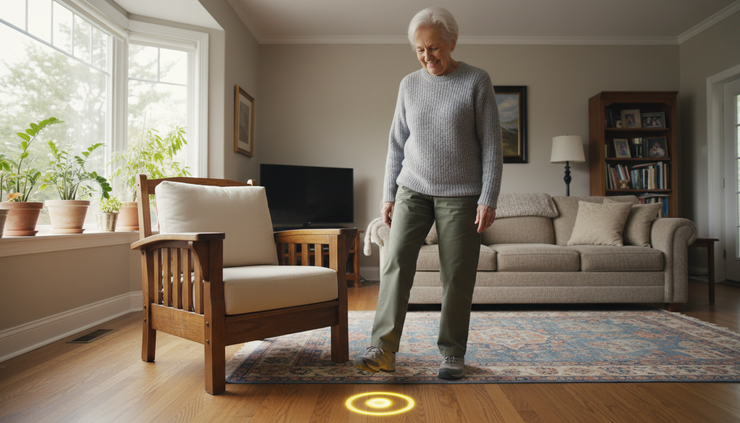
Place a bright towel or piece of painter’s tape on the floor to the right side. Place another on the left side. Stand between them while holding a chair or counter.
A helper calls “right” or “left.” Tap one foot toward that side, then return to the middle.
Keep the foot low. No need to lift high.
This helps with real-life moments, like stepping around a pet bowl or adjusting foot position near a curb.
Exercises that train attention and movement together
Reaction time isn’t only physical. It also depends on attention. These exercises ask the brain to notice, choose, then move.
Name and tap
Sit comfortably. Pick three body parts that are easy to reach, such as:
Shoulder
Knee
Table
A helper calls one word. Tap that spot.
Start with one cue at a time. Later, mix the order.
To make it more playful, use everyday words:
“Cup” means tap the table.
“Door” means tap the knee.
“Window” means tap the shoulder.
This helps the brain practice linking a cue to a response.
Sound cue practice
Use a gentle sound, like a hand clap, a bell, or a phone timer. When the sound happens, do one safe action.
Good seated actions include:
Tap both knees.
Lift both toes.
Touch the chair arms.
Squeeze a soft ball.
Keep the sound pleasant. Loud, startling noises can make the body tense, which isn’t the goal.
Look and point
Place three familiar objects on a table, such as a spoon, cup, and book. A helper names one object. Point to it.
This is useful for people who feel too tired for bigger movement but can still practice visual scanning and response.
Make it easier by using two objects. Make it harder by spreading the objects farther apart.
Make everyday activities into reaction practice
Exercise doesn’t have to feel like a workout. Small daily moments can become practice when they’re done safely.
Try these ideas:
During TV time
During a commercial or between scenes, pick a simple cue. When a certain color appears on screen, tap the knees. When a character says a common word, lift the toes.
Keep it light. If it gets annoying, stop.
While listening to music
Choose one repeated sound, like a drumbeat or chorus. Tap the hand or foot when it comes up.
Music can be helpful because it gives rhythm. Rhythm often makes movement feel smoother.
At the kitchen table
Place a napkin on the left and a spoon on the right. Ask a family member to call one item. Touch it, then return the hand to the lap.
This works well before or after a meal when already seated.
During walking practice
Only do this with a safe walking setup. Use a hallway, walker, cane, or helper if needed.
A helper can say “pause” during a slow walk. Stop, stand tall, then continue. This trains the body to respond to a sudden cue without rushing.
If stopping suddenly feels unsteady, practice while holding a counter first.
How often to practice
Reaction time improves best with regular practice, but more isn’t always better. Frail older adults often do better with short sessions spread through the week.
A simple plan might look like this:
Day | Practice idea | Time |
Monday | Seated ball catch and color taps | 5 to 8 minutes |
Wednesday | Toe lifts and step returns | 5 minutes |
Friday | Balloon taps and sound cues | 5 to 10 minutes |
Weekend | Everyday practice during music or TV | A few minutes |
Rest days are fine. So are very short days.
Watch for signs of too much effort:
Shaky legs that don’t settle after resting
Dizziness
New pain
Shortness of breath beyond normal
Confusion or unusual fatigue
Fear that rises instead of settles
If any of those show up, stop and check in with a healthcare professional.
Progress can be quiet. Maybe the ball is caught more often. Maybe the step starts sooner. Maybe standing feels less scary. Those are wins.
Tips for caregivers and family helpers
A calm helper can make these exercises much better. The job isn’t to push. The job is to create a safe, encouraging setup.
Helpful cues are short and clear:
“Blue”
“Right”
“Tap”
“Catch”
“Pause”
Give one cue at a time. Wait for the response. Then reset.
Avoid teasing, rushing, or saying “Come on, faster.” That can make someone tense, and tension often slows reactions.
A better approach is:
“Take your time. We’re practicing noticing and responding. You’re doing fine.”
Also, watch the whole person. If posture slumps, breathing changes, or the face looks worried, take a break.
Small praise works well:
“That was a good catch.”
“Nice steady step.”
“You noticed that quickly.”
“Good reset.”
The reset is part of the exercise. Praise that too.
When to get extra help
Some changes need more than home practice. Talk with a doctor, physical therapist, or occupational therapist if reaction time has changed suddenly or if falls are happening.
Extra help is also wise after:
A stroke or mini-stroke
A hospital stay
A new diagnosis affecting nerves or muscles
A medication change that causes dizziness
A fall with injury
New vision or hearing problems
A physical therapist can work on balance, strength, and safe stepping. An occupational therapist can help with daily tasks, home setup, and hand-eye coordination.
For guided support with healthy aging routines, care planning, and one-on-one coaching options, you can review My Senior Coach pricing plans.
FAQ
Can reaction time really improve in older adults?
Often, yes. Practice can help the brain and body respond more smoothly. The change may be small, but small gains can matter in daily life.
What’s the safest exercise to start with?
Seated color taps, soft ball catches, or balloon taps are good starting points. They let someone practice reacting without having to balance at the same time.
How long should a session be?
Start with 5 minutes. If that feels easy and safe, build toward 10 minutes. Short, regular practice is better than one tiring session.
Should these exercises be done every day?
They can be, if they feel safe and not tiring. For frail older adults, 2 to 4 short sessions per week may be plenty at first.
What if someone gets frustrated?
Stop before frustration builds. Switch to an easier version, use slower cues, or end with something successful. Confidence matters as much as speed.

A gentle takeaway
Reaction time practice doesn’t need to be intense. It works best when it feels safe, clear, and repeatable.
Start seated. Use soft objects. Keep cues simple. Add standing movements only when balance feels steady. Most of all, leave room for rest.
A few minutes of gentle practice can help everyday movements feel a little more confident, one small response at a time.


Comments