
Safe Exercise Tips for Seniors with Osteoporosis or Osteopenia

A diagnosis of osteoporosis or osteopenia in seniors can make exercise feel risky. Maybe you’ve heard warnings about fractures, or maybe you’re worried one wrong move could do harm. That fear makes sense, but staying still usually isn’t the answer.
Bones respond to gentle, regular stress. Muscles protect joints. Balance practice helps prevent falls. The right kind of movement can help you feel steadier, stronger, and more confident in daily life.
This guide is informational only and isn’t a replacement for medical care. Before starting or changing an exercise routine, check with your doctor, physical therapist, or another qualified health professional, especially if you’ve had a fracture, spine changes, dizziness, or ongoing pain.

Know what osteoporosis and osteopenia mean for exercise
Osteopenia means bone density is lower than normal, but not low enough to be called osteoporosis. Osteoporosis means bones have become more fragile and can break more easily, especially in the hip, spine, and wrist.
That doesn’t mean the body is too fragile to move. It means exercise needs to be chosen with care.
The safest plan usually includes four types of movement:
Weight-bearing exercise
Activities done on your feet, such as walking or gentle stair climbing.
Strength training
Light resistance work to build muscle and support bone.
Balance practice
Simple drills that reduce the chance of a fall.
Posture and flexibility work
Movements that support your spine and make daily tasks easier.
The goal isn’t to “work out hard.” The goal is to move often, move safely, and build strength little by little.
Start with your personal risk level
Two people can have the same diagnosis and still need different exercise plans. A person with osteopenia and no fracture history may be able to do more than someone with severe osteoporosis or a recent compression fracture.
Before you begin, ask your healthcare provider a few practical questions:
Are there any movements I should avoid?
Is strength training safe for me right now?
Do I need a referral to physical therapy?
Do I have spine, hip, or balance concerns that change my plan?
Are there medication side effects that could affect dizziness or fall risk?
If you’ve already had a fracture, don’t guess your way through exercise. A physical therapist can help you learn safe form and modify movements for your body.
Also pay attention to how you feel day to day. Low energy, poor sleep, recent illness, new pain, or lightheadedness are all reasons to slow down.
Choose bone-friendly exercises that feel steady
The best routine is one you can repeat without dread. It should feel manageable, not scary. Here are some safer choices that often work well for older adults with low bone density.
Walking is a great place to begin
Walking is simple, low cost, and easy to adjust. It also gives your bones gentle weight-bearing work.
Try this if you’re getting started:
Walk for 5 to 10 minutes at a comfortable pace.
Choose flat, even ground.
Wear supportive shoes with good traction.
Use a cane, walking stick, or walker if it helps you feel steady.
Add time slowly before adding speed.
If outdoor paths are uneven or icy, walk inside a mall, community center, hallway, or grocery store. Safety matters more than scenery.
Strength training helps protect your bones
Muscles act like a support system for your skeleton. Stronger legs, hips, back, and core can help with balance, stairs, chairs, and carrying groceries.
Good beginner options include:
Sit-to-stand from a sturdy chair
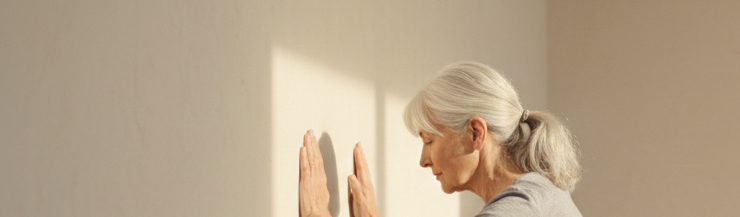
Wall push-ups
Heel raises while holding a counter
Side leg lifts while holding a chair
Light resistance band rows
Gentle biceps curls with small hand weights
Start with one set of 8 to 10 slow repetitions. Use a light effort at first. You should be able to breathe normally and keep good posture.
Avoid holding your breath while lifting. That can raise pressure in the body and make some people feel lightheaded. Breathe out during the effort, such as when standing up from a chair or pushing away from a wall.
Balance work lowers fall risk
For many seniors, the biggest danger isn’t the exercise itself. It’s falling. Balance training deserves a regular spot in the week.
Try these near a kitchen counter or sturdy chair:
Stand with feet close together for 10 to 20 seconds.
Shift weight gently from one foot to the other.
Practice marching in place while holding the counter.
Stand on one foot for a few seconds, with fingers resting on support.
Walk heel-to-toe only if your provider says it’s safe and you have support nearby.
Balance practice should feel challenging but not frightening. If you feel wobbly, use more support.
Avoid movements that place extra stress on the spine
With osteoporosis or osteopenia, the spine needs extra care. Some movements can increase stress on the front of the vertebrae, especially when repeated or done with force.
A simple rule helps: keep your spine long and avoid rounding forward under load.
That means being careful with movements like:
Sit-ups and crunches
Toe touches
Deep forward bends
Twisting quickly from the waist
Heavy lifting with a rounded back
High-impact jumping or running, unless cleared by your provider
Fast, jerky exercise classes with sudden direction changes
This doesn’t mean you can never bend. Daily life requires bending. The safer habit is to bend from the hips and knees while keeping the chest lifted. Think of hinging back toward a chair rather than curling your spine forward.
For example, when picking something up from the floor:
Step close to the object.
Keep your feet wide enough to feel stable.
Bend your knees and hips.
Keep your back long.
Hold the object close to your body.
Stand up using your legs.
Small changes like this can make a big difference over time.
Use a safe weekly exercise plan
A good week doesn’t need to be complicated. In fact, simple is better. You can build a routine around short sessions that match your energy.
Here’s a gentle sample plan to discuss with your healthcare provider.
Day | Safe movement idea | Time |
Monday | Walk on flat ground and do sit-to-stands | 15 to 25 minutes |
Tuesday | Balance practice near a counter | 5 to 10 minutes |
Wednesday | Strength exercises with light bands or body weight | 15 to 20 minutes |
Thursday | Easy walk or indoor walking | 10 to 20 minutes |
Friday | Posture exercises and gentle stretching | 10 to 15 minutes |
Saturday | Walk with a friend or family member | 15 to 30 minutes |
Sunday | Rest or light movement around the home | As comfortable |
You can also break exercise into small pieces. Three 10-minute walks can be just as useful as one longer walk, especially when you’re rebuilding strength or dealing with fatigue.
Try this simple beginner session
If you’ve been cleared to exercise, this short routine may be a good starting point.
Warm up for 3 to 5 minutes
Walk slowly around the room or march gently in place while holding a counter.
Do 4 strength moves
Sit-to-stand from a sturdy chair
Do 5 to 10 slow repetitions.
Wall push-ups
Do 5 to 10 slow repetitions.
Heel raises
Hold the counter and lift your heels 5 to 10 times.
Side leg lifts
Hold a chair and lift one leg out to the side 5 to 8 times per side.
Practice balance for 2 minutes
Stand tall near the counter. Shift weight gently side to side.
Cool down
Walk slowly, then take a few relaxed breaths while standing tall.
Stop if you feel sharp pain, chest pain, unusual shortness of breath, dizziness, or sudden weakness. Get medical help right away for serious symptoms.

Make your home exercise space safer
A safe space helps you move with more confidence. You don’t need fancy equipment, but you do need room, light, and stable support.
Before exercising at home, check for common trip hazards:
Loose rugs
Clutter on the floor
Electrical cords
Slippery socks
Poor lighting
Pets moving underfoot
Wobbly chairs
Choose a firm chair with a back and no wheels. Keep water nearby. Wear shoes that grip the floor well. If you use a walker or cane, keep it within reach instead of across the room.
If you exercise with videos, preview them first. Many “senior fitness” classes still include twisting, crunches, quick bending, or fast transitions. It’s fine to skip anything that doesn’t feel right.
Keep posture in mind during daily life
Posture isn’t about standing stiffly. It’s about giving the spine support while you move.
Try these habits during the day:
Look straight ahead when walking.
Keep your shoulders relaxed, not rounded forward.
Use your legs when lifting.
Carry groceries in smaller loads.
Bring objects closer instead of reaching far.
Sit in a chair that supports your back.
Avoid slumping for long periods.
A good posture cue is to imagine a string gently lifting the top of your head. Your ribs stay relaxed, your chin stays level, and your feet feel grounded.
Posture exercises can also help. A physical therapist may teach moves such as shoulder blade squeezes, gentle chest stretches, or back-strengthening exercises done in a safe position.
Progress slowly and celebrate small wins
Bone and muscle changes take time. You don’t need to rush. A safe routine builds in small steps.
A good progression might look like this:
Add 2 to 5 minutes to a walk.
Add 1 or 2 repetitions to an exercise.
Move from one set to two sets.
Use a slightly stronger resistance band.
Practice balance with lighter finger support.
Only change one thing at a time. If you add more walking time, keep strength training the same that week. If you add more resistance, don’t also add extra sets right away.
Mild muscle soreness can happen when you start. Sharp pain, joint pain that gets worse, back pain, or pain that changes how you walk is a sign to stop and check in with a professional.
The safest exercise plan is the one that helps you move more without making you afraid to move.
Eat, hydrate, and rest like they’re part of the plan
Exercise works best when the body has what it needs to recover. Bone health is closely tied to nutrition, medication management, sleep, and fall prevention.
Talk with your healthcare provider about calcium, vitamin D, protein, and any medications you take. Don’t start supplements without asking, especially if you have kidney issues, heart concerns, or take several prescriptions.
A few simple habits can support your routine:
Drink water before and after exercise.
Eat regular meals with protein.
Get up slowly from chairs or bed.
Rest after harder days.
Tell your provider about new dizziness or weakness.
Exercise is only one part of bone health, but it’s a part you can practice regularly.

Get support if you’re unsure where to start
If all of this feels like a lot, you don’t have to figure it out alone. A coach, physical therapist, or trained exercise professional can help you create a routine that fits your health, energy, and comfort level.
For extra guidance with healthy aging routines and support options, you can review My Senior Coach pricing plans and choose the kind of help that matches your needs.
FAQ
Can seniors with osteoporosis lift weights?
Many can, but the weight, form, and exercise choice matter. Light resistance bands, small hand weights, and body-weight moves are often used safely. Get medical clearance first, especially if you’ve had a fracture or spine changes.
Is walking enough for osteoporosis or osteopenia?
Walking is a strong starting point, but it usually works best with strength, balance, and posture exercises. Walking helps with weight-bearing movement, while strength training supports muscles and bones in a different way.
What exercises should be avoided with osteoporosis?
Common exercises to avoid or modify include sit-ups, crunches, toe touches, deep forward bends, fast twisting, heavy lifting with a rounded back, and high-impact moves. Your provider may give you a shorter or longer list based on your fracture risk.
How often should I exercise?
Many people do well with short movement sessions most days, plus strength work a few times per week. The right amount depends on your health, balance, pain level, and fitness history. Start small and build slowly.
What should I do if exercise causes back pain?
Stop the activity and don’t push through it. Back pain in someone with osteoporosis deserves attention, especially if it’s sudden, sharp, or follows a stumble or lift. Contact your healthcare provider for guidance.
A steady routine can help you feel safer in your body
Exercise with osteoporosis or osteopenia should feel careful, not fearful. Start with walking, simple strength moves, balance practice, and better posture habits. Skip risky bending and twisting. Keep the floor clear. Use support when you need it.
Small steps count. A few safe minutes today can lead to more strength, steadier balance, and more confidence tomorrow.


Comments