
Spring Mobility Reset for Seniors Loosen Up After Winter

Winter has a sneaky way of shrinking your movement. One day you’re skipping icy sidewalks, sitting a little longer, and tightening your shoulders against the cold. Then spring shows up, the sun comes back, and your body feels like it didn’t get the memo.
The good news? You don’t need a dramatic fitness plan to feel better. A gentle Spring Mobility Reset for Seniors Loosen Up After Winter can start with small, steady movements that help your joints feel less stiff, your balance feel steadier, and everyday tasks feel easier.
This isn’t about pushing through pain or “getting back in shape” overnight. It’s about waking your body up kindly.
This article is for general information only. If you’ve had a recent fall, surgery, new pain, dizziness, chest pain, or a health condition that affects movement, check with your doctor or physical therapist before starting a new routine.

Why winter leaves seniors feeling stiff with less mobility
Cold weather changes more than your schedule. It changes how often you move, how deeply you breathe, and how willing you feel to leave the house.
After a quieter winter, stiffness can show up in a few common places:
Neck and shoulders from hunching against the cold
Hips from extra sitting
Knees and ankles from fewer walks
Lower back from less varied movement
Hands and wrists from gripping canes, rails, or shovels
Your body likes regular motion. Joints get nourishment from movement. Muscles stay more comfortable when they lengthen and contract often. Balance improves when you practice shifting weight, stepping, and turning.
That doesn’t mean you did anything wrong. It just means spring is a good time to reintroduce movement gradually.
A helpful way to think about it is this: your body doesn’t need to be forced open. It needs to be reminded.
Start with a simple mobility check
Before you begin a routine, take five minutes to notice how your body feels today. No judging. No comparing yourself to last year or to anyone else.
Try these gentle checks near a sturdy chair or counter:
Turn your head slowly side to side
Notice if one side feels tighter.
Roll your shoulders forward and back
Pay attention to clicking, pulling, or discomfort.
Stand tall and shift weight from one foot to the other
Keep a hand nearby for support.
March in place for 20 seconds
Notice your balance and breathing.
Sit down and stand up once or twice
Use the chair arms if you need them.
A little stiffness is normal. Sharp pain, dizziness, pressure in the chest, or pain that travels down your leg or arm is different. Stop and get medical guidance if something feels wrong.
The goal is to learn your starting point, not to test your limits.
A 10-minute morning reset your body will actually tolerate
The best mobility routine is the one you’ll do. Ten minutes is enough to make a difference in how you feel at breakfast, during errands, or on a short walk.
Move slowly. Breathe normally. Use a chair, countertop, or wall for support. If standing feels tiring, do the seated options first.
1. Breathe and lengthen for one minute
Sit or stand tall. Place one hand on your belly and one hand on your ribs.
Take a slow breath in through your nose if that’s comfortable. Let your ribs gently expand. Breathe out through your mouth.
Then reach the crown of your head upward, like someone is lightly lifting you from above.
This helps ease the “winter hunch” without forcing your posture.
2. Loosen your neck and shoulders for two minutes
Try these slowly:
Look right, then center, then left
Tilt one ear toward one shoulder, then switch
Roll shoulders up, back, and down
Open and close your hands several times
Keep the movement small. Your neck doesn’t need big circles. Gentle side-to-side motion is usually kinder.
3. Wake up your spine for two minutes
Sit near the front of a sturdy chair with both feet on the floor.
Place your hands on your thighs. Slowly round your upper back, then gently lift your chest. Think of it as a small wave through your spine.
Next, rotate your upper body a little to the right, then to the left. Keep your hips facing forward.
This can make reaching, turning, and getting in and out of the car feel easier.

4. Open your hips for two minutes
While seated, march one knee up slowly, then the other. Stay tall.
Then slide one heel forward on the floor and pull it back. Switch sides.
If that feels easy, stand behind a chair and gently swing one leg forward and back a few inches. Keep your torso upright.
Your hips work all day, even when you don’t think about them. They help with walking, stairs, balance, and getting up from a chair.
5. Wake up ankles and feet for two minutes
Hold the back of a sturdy chair.
Rise up onto the balls of your feet if comfortable, then lower slowly. Do 5 to 10 times.
Next, rock back gently toward your heels. You don’t need to lift your toes high.
Finish by making small ankle circles while seated.
Feet and ankles matter more than people give them credit for. They help your body read the ground and react when the sidewalk is uneven.
6. Practice one easy balance move for one minute
Stand near a counter. Hold on with both hands if needed.
Place your feet hip-width apart. Shift your weight to the right, then to the left. Keep both feet on the floor.
If that feels comfortable, lift one heel, then the other, like a slow march without fully lifting the foot.
Balance improves with practice, but it should feel safe. Stay close to support.
Make spring walks easier with a warm-up
Spring weather can make you want to head outside right away. That’s great, but give your body a few minutes to prepare.
Before a walk, try this quick warm-up:
Move | How to do it | Why it helps |
Shoulder rolls | Roll shoulders back 5 times | Loosens upper body tension |
Seated or standing marches | March slowly for 30 seconds | Warms hips and knees |
Ankle rocks | Rock from heels to toes near a chair | Prepares feet for uneven ground |
Gentle side steps | Step right and left near a counter | Wakes up balance and hips |
Start with shorter walks than you think you “should” need. A 5 to 10 minute walk is a solid first step after a less active winter. You can build from there.
Try this simple plan:
Week 1
Walk 5 to 10 minutes, 3 days a week.
Week 2
Add 2 to 5 minutes if your body feels good the next day.
Week 3
Keep the pace comfortable and add one extra walking day.
Week 4
Add a small hill or a little more distance, but not both on the same day.
A good rule is to finish feeling like you could do a little more. That makes it easier to return tomorrow.

Pay attention to the spots that complain first
Most people have a few body parts that speak up before the rest. After winter, those areas often need extra attention.
If your knees feel tight
Try seated knee extensions. Sit tall, slowly straighten one leg, pause, and lower it. Do 5 to 8 on each side.
Keep the movement smooth. Don’t snap the knee straight.
A warm compress before movement may feel good for some people. If swelling or sharp pain shows up, take that seriously and get checked.
If your hips feel stiff
Use the seated march and heel slides from the morning routine. You can also sit tall and gently move one knee out to the side, then back to center.
Avoid forcing deep stretches. Hips often respond better to repeated comfortable motion.
If your back feels cranky
Focus on posture changes during the day. Stand up every 30 to 60 minutes if you can. Take a few slow breaths. Walk around the room once.
Gentle spine movements usually help more than long periods of stretching.
If your shoulders feel stuck
Try wall slides. Stand facing a wall. Place your hands on the wall at chest height and slowly slide them upward a few inches. Stop before pain.
You can also do shoulder blade squeezes. Pull your shoulder blades gently back and down, then relax.
Keep your ribs relaxed. Don’t arch your back to fake more shoulder motion.
Use daily chores as mobility practice
You don’t have to set aside a perfect block of time. Spring chores can become gentle mobility work if you move with care.
Try these everyday resets:
While the coffee brews, do 5 heel raises.
Before checking the mail, roll your shoulders and march in place.
After folding laundry, stretch your fingers and wrists.
Before gardening, warm up with hip circles and ankle rocks.
After sitting for a show, stand and shift weight side to side.
Gardening deserves a special note. Spring soil, flower pots, and yard cleanup can tempt you to do too much too soon. Use a kneeling pad or garden stool. Switch positions often. Carry smaller loads. Take breaks before your back asks for one.
The same goes for spring cleaning. Reaching, twisting, and bending can add up quickly. Keep items close to your body, use a step stool only if you’re steady and safe, and avoid rushing.
Know the difference between useful effort and a warning sign
A mobility reset should feel gentle, not punishing.
Some sensations are usually okay:
Mild stretching
Warmth in the muscles
A little effort
Slight stiffness that eases as you move
Some signs mean you should stop:
Sharp pain
Dizziness or lightheadedness
Chest pressure
Sudden weakness
New numbness or tingling
Pain that gets worse as you continue
Swelling after movement
The “no pain, no gain” idea doesn’t belong here. Pain is information. Listen early, and you’ll usually avoid bigger setbacks.
Build a routine that fits real life
Consistency beats intensity. A few minutes most days will do more for mobility than one long session that leaves you sore.
Here’s a simple weekly rhythm:
Day | Mobility focus |
Monday | 10-minute morning reset |
Tuesday | Short walk and ankle work |
Wednesday | Seated spine and hip routine |
Thursday | Rest or gentle stretching |
Friday | 10-minute morning reset |
Saturday | Easy walk or light gardening |
Sunday | Balance practice near a counter |
Feel free to change the days. The point is to touch each area a few times a week: neck, shoulders, spine, hips, knees, ankles, and balance.
If you like tracking things, keep it simple. Put a checkmark on the calendar when you move. You don’t need a complicated app or a long list of numbers.
If you’d like more support building healthy routines that fit your day, take a look at My Senior Coach pricing plans. A little guidance can make it easier to stay steady and safe.
FAQ
How long does it take to feel less stiff after winter?
Some people feel better after one gentle session. Bigger changes usually come from moving a little most days for a few weeks. Keep the effort comfortable and steady.
Should I stretch before or after walking?
Do gentle movement before walking, like marching, ankle rocks, and shoulder rolls. Save longer stretches for after the walk, when your muscles feel warmer.
What if I have arthritis?
Gentle movement often helps stiff joints, but arthritis symptoms vary. Move within a comfortable range and avoid forcing painful joints. If you have swelling, new pain, or a flare, ask your healthcare provider what’s safest.
Is it better to do mobility exercises sitting or standing?
Both can help. Seated exercises are a great choice if balance or fatigue is a concern. Standing exercises add balance practice, but use a sturdy chair or counter for support.
How often should I do a mobility reset?
Aim for 5 to 10 minutes most days. If that feels like too much, start with three days a week. Small routines are easier to keep.
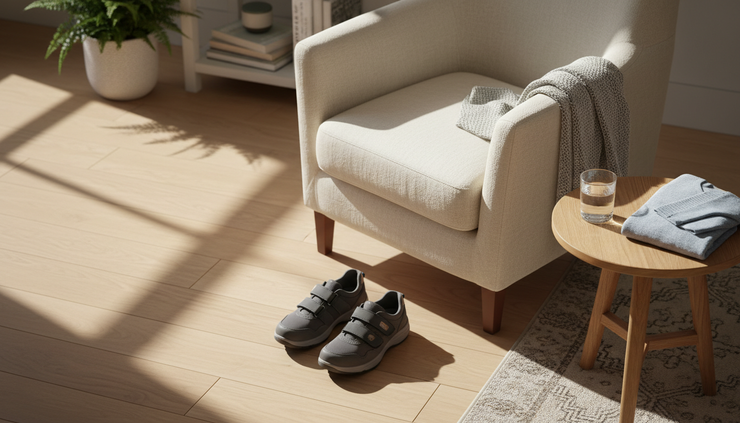
Let spring be a gentle restart
You don’t need to make up for winter. You just need to begin again.
Start with 10 minutes. Move slowly. Use support. Pay attention to how your body responds the next day. Add walking, gardening, and daily chores in small doses.
Spring mobility isn’t about doing everything you used to do all at once. It’s about helping your body feel more ready for the life you want to enjoy now, one comfortable movement at a time.



Comments