
Walking vs Chair Cardio for Seniors Which Exercise Is Better

Some days, a walk around the block feels perfect. Other days, your knees, balance, weather, or energy level say, “Let’s not do that today.”
That’s where chair cardio earns its place.
Walking and chair cardio can both help with heart health, stamina, mood, and daily movement. The better choice isn’t the one that sounds more impressive. It’s the one you can do safely, regularly, and with enough effort to feel like exercise.
This guide breaks down where each one shines, where each one falls short, and how to choose without turning exercise into another source of stress.
Quick safety note before we get moving: this is general information, not medical advice. If you have chest pain, dizziness, new shortness of breath, recent surgery, heart concerns, or a condition that affects balance, check with your doctor or physical therapist before starting or changing your routine.

The short answer is that both can be good
If walking feels safe and comfortable, it’s hard to beat. It’s simple, it uses the whole body, and it fits naturally into daily life.
If walking is painful, unsafe, or just not realistic right now, chair cardio is not a “lesser” workout. Done with intention, it can raise your heart rate, warm up your joints, and build useful stamina.
Here’s the easy way to compare them.
Exercise | Best fit | Watch out for |
Walking | People who can stand and move safely, want weight-bearing movement, and enjoy getting outside | Uneven sidewalks, joint pain, fall risk, weather, fatigue |
Chair cardio | People with balance concerns, painful knees or hips, low stamina, or days when standing exercise feels like too much | Poor chair setup, slouching, moving too fast, ignoring pain |
A good routine might include both. Walk when your body and surroundings cooperate. Use chair cardio when you need a safer, lower-impact option.
What walking does really well
Walking is popular for a reason. You don’t need special equipment beyond supportive shoes. You can do it indoors, outdoors, alone, or with someone else. It also trains several systems at the same time.
Walking supports heart and lung stamina
A brisk walk can count as moderate cardio when it makes you breathe a little harder while still allowing you to talk. That “talk test” is useful because it keeps things simple.
If you can sing easily, you may be moving too gently for cardio.
If you can’t get out a sentence, you may be pushing too hard.
The sweet spot for many people is a pace where conversation is possible but not effortless.
Walking helps maintain everyday strength
Walking is weight-bearing, which means your legs and bones support your body as you move. That can help maintain leg strength, balance confidence, and the kind of endurance needed for daily life.
Think about the things walking supports:
Getting from the parking lot to a store
Moving around the house without getting worn out
Climbing a few steps
Visiting a neighbor
Carrying a light grocery bag
Those aren’t athletic goals. They’re real-life goals.
Walking can lift your mood
A short walk can break up a long day. Fresh air, sunlight, and a change of scenery often help people feel more alert and less stuck.
Even indoor walking can help. A few laps around the hallway, a mall, a community center, or a large store can still count. The body cares that you moved.
Walking has a few limits
Walking isn’t perfect for everyone.
It can be tough if you have:
Knee, hip, back, or foot pain
Poor balance
Neuropathy or numbness in the feet
Shortness of breath that comes on quickly
Fear of falling
No safe place to walk
Very hot, cold, icy, or rainy weather
If walking leaves you hurting for hours afterward, it may not be the best main exercise right now. That doesn’t mean you’ve failed. It means your plan needs adjusting.
Chair cardio is more useful than many people think
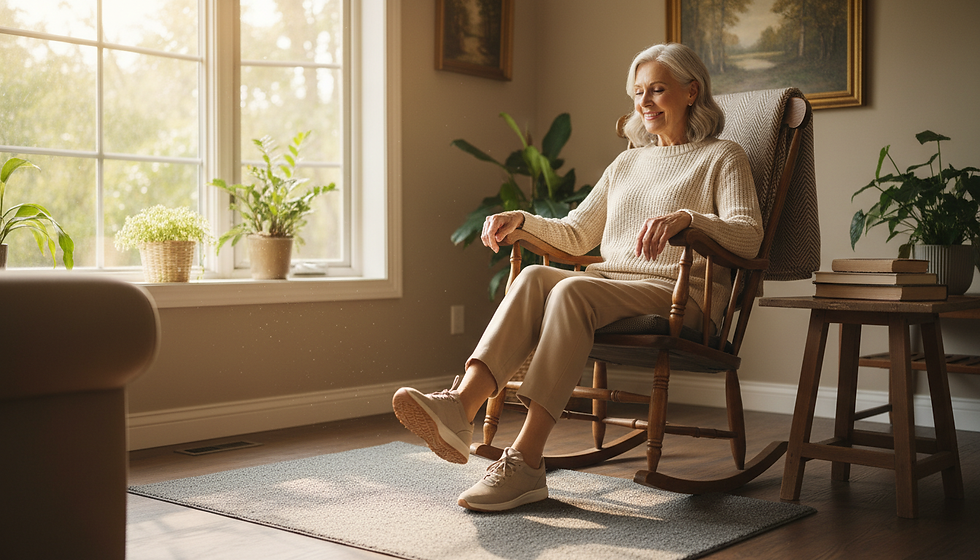
Chair cardio means doing rhythmic exercise while seated. It can include marching your feet, tapping your toes, reaching your arms, boxing gently, side bends, knee lifts, heel digs, or using light hand weights if approved.
The key word is cardio. You’re not just sitting and stretching. You’re moving continuously enough to warm up and raise your breathing.

Chair cardio lowers the balance challenge
For someone worried about falling, seated exercise can be a relief. You can work your heart and lungs without having to manage every step, curb, rug, or crack in the sidewalk.
That makes chair cardio especially helpful after an illness, during a low-energy period, or while rebuilding confidence.
Chair cardio can be adjusted quickly
You can make it easier by moving slower, reducing arm height, or taking more breaks.
You can make it harder by:
Lifting the knees higher
Moving the arms more
Adding light hand weights
Increasing the tempo
Extending the workout by a few minutes
That flexibility matters. Energy can change from day to day, especially with arthritis, chronic pain, poor sleep, or medication changes.
Chair cardio is easier to do at home
No driving. No weather worries. No need to find a flat walking path.
A sturdy chair, comfortable shoes, and a little space are enough. That makes chair cardio a strong choice on days when leaving home feels like too much work.
Chair cardio has limits too
Because you’re seated, chair cardio usually gives less weight-bearing benefit than walking. It may not challenge balance as much either, unless it’s paired with safe standing exercises approved for your ability level.
It can also become too easy if you go through the motions. If the goal is cardio, aim for movement that feels gently challenging.
Which one is better for your main goal
There’s no single winner for everyone. The better exercise depends on what you want most and what your body can handle today.
Goal | Better choice | Why |
Improve general stamina | Both | Either can raise your heart rate if done with enough effort |
Support balance confidence | Walking | Walking trains standing movement, but only if it’s safe |
Reduce fall worry during exercise | Chair cardio | Sitting removes much of the balance demand |
Get outside more | Walking | Fresh air and daylight can add a mood boost |
Exercise with joint pain | Chair cardio | It often feels gentler on knees, hips, and feet |
Build a daily habit | Both | The best choice is the one you’ll repeat |
Restart after a break | Chair cardio | It can be a kinder starting point |
Maintain walking ability | Walking | Practicing walking helps preserve the skill of walking |
If you’re comparing Walking vs Chair Cardio for Seniors Which Exercise Is Better, the honest answer is this: walking is often better when it’s safe and comfortable, while chair cardio is better when walking creates pain, fear, or too much strain.
Use three checks to choose today
Try not to decide based on pride. Decide based on the day you’re actually having.
Check your safety
Choose chair cardio if you feel unsteady, dizzy, weak, or unsure about the walking surface.
Choose walking if you feel steady, the path is safe, and you have the right shoes or support.
A cane, walker, or walking poles can help some people, but use them only if they fit you well and you know how to use them safely.
Check your pain level
Mild stiffness that improves as you warm up is common for many older adults.
Sharp pain, worsening pain, or pain that changes how you walk is different. That’s a sign to stop and reassess.
A simple rule helps: exercise should not punish you later. If a walk causes a big flare-up that lasts into the next day, chair cardio or a shorter walk may be a better choice.
Check your effort
Whether you walk or sit, you want the effort to feel moderate most of the time.
Use a 1 to 10 effort scale:
1 to 2 feels very easy
3 to 4 feels light
5 to 6 feels moderate
7 feels challenging
8 to 10 feels too hard for most daily workouts
For general cardio, many people do well around 5 or 6. You should feel like you’re working, but still in control.
A simple walking plan to start with
If walking feels safe, start smaller than you think you need to. The goal is to finish feeling like you could do it again tomorrow.
Try this beginner-friendly plan:
Week 1
Walk 5 to 10 minutes at an easy pace, 3 to 5 days during the week.
Week 2
Add 1 or 2 minutes to each walk if your body responds well.
Week 3 and beyond
Slowly build toward longer walks, or split walks into short sessions. Two 10-minute walks can be more comfortable than one 20-minute walk.
Keep the first few minutes easy. Let your body warm up before picking up the pace. Finish with a slower minute or two.
If you use a walker or cane, bring it. If you feel safer walking with someone, do that. Exercise counts even when it includes support.
A simple chair cardio plan to start with
For chair cardio, choose a sturdy chair that doesn’t roll. Sit tall with both feet able to touch the floor. Keep water nearby.
Start with 10 minutes.
Try this pattern:
March your feet for 1 minute
Tap heels forward for 1 minute
Reach arms forward and pull them back for 1 minute
Do gentle seated punches for 1 minute
Rest or slow down for 1 minute
Repeat once.
If that feels too easy, add another round or make the movements bigger. If it feels too hard, reduce the arm movements and slow your pace.
You can also try music. Pick a song with a steady beat, not one that makes you rush. The goal is controlled movement, not speed for its own sake.

The best routine may mix both
A mixed plan often works better than choosing one forever.
For example:
Day | Exercise idea |
Monday | 10-minute walk |
Tuesday | 15-minute chair cardio |
Wednesday | Rest or gentle stretching |
Thursday | 10-minute walk |
Friday | 10-minute chair cardio |
Saturday | Easy walk with a friend or family member |
Sunday | Rest |
This kind of plan gives your joints variety. It also gives you options. If rain ruins your walking day, chair cardio keeps the habit alive. If you’re tired of indoor exercise, a short walk adds fresh air.
Common public health guidance encourages older adults to get regular aerobic activity and include strength and balance work when possible. Walking and chair cardio can both be part of that bigger picture.
If you’re not doing strength work yet, start simple. Sit-to-stands, wall push-ups, or light resistance bands may help, but get guidance if you have pain, balance concerns, or a medical condition.
Make either workout safer
Safety doesn’t need to be complicated. A few small choices can prevent a lot of trouble.
For walking:
Wear shoes that fit well and grip the ground
Pick smooth, well-lit paths
Avoid icy, uneven, or crowded areas
Carry a phone if you walk alone
Start close to home if you’re unsure of your stamina
Bring water in warm weather
For chair cardio:
Use a sturdy, non-rolling chair
Keep feet clear of rugs and cords
Sit tall, but don’t stiffen your back
Move within a comfortable range
Stop if you feel dizzy, faint, or short of breath in a scary way
Avoid holding your breath
Pain is information. So is fatigue. Listening to your body doesn’t mean giving up. It means you’re training smarter.
FAQ
Is chair cardio as good as walking?
Chair cardio can be very good for heart and lung stamina, especially if walking is painful or unsafe. Walking usually offers more weight-bearing and balance practice. Both can be useful.
Can chair cardio help me lose weight?
It can support weight management when paired with healthy eating and regular movement. The effect depends on workout length, effort, consistency, and overall lifestyle.
How long should a senior walk each day?
Start with what feels safe, even 5 to 10 minutes. Build slowly. Some people do better with short walks spread through the day instead of one long walk.
What kind of chair is best for chair cardio?
Use a sturdy chair without wheels. A chair with no arms gives you more room to move, but comfort and safety come first.
Should I stop walking if my knees hurt?
Not always, but don’t ignore pain. Shorter walks, slower pace, better shoes, or chair cardio may help. If pain is sharp, worsening, or changes how you walk, ask a health professional for guidance.

The takeaway
Walking is a great choice when it feels safe, steady, and comfortable. Chair cardio is a great choice when you need less impact, better balance support, or an at-home option that still gets you moving.
The real winner is the routine you can repeat without dread or injury.
If you’d like help choosing a plan that fits your energy, mobility, and goals, take a look at My Senior Coach pricing plans. A little guidance can make exercise feel less confusing and a lot more doable.


Comments