
Gardening for Seniors Building Strength Mobility and Better Mental Health

A garden has a sneaky way of turning everyday chores into real exercise. Pulling a few weeds, watering tomatoes, moving slowly from one bed to another, it all adds up. Better yet, it doesn’t feel like a workout in the usual sense. There’s fresh air, color, birdsong, and the small pleasure of seeing something grow because of steady care.
For many older adults, gardening can support strength, balance, flexibility, mood, and a sense of purpose. It can also be adapted for sore knees, stiff hands, low energy days, or limited space. A few pots on a patio count. So does a raised bed, a sunny windowsill herb garden, or a small patch of flowers by the front walk.
This article is for general information only. If there are heart concerns, balance problems, recent surgery, joint pain, or a new health condition, it’s smart to check with a health care professional before changing activity levels.

Gardening building strength in everyday ways for seniors
Gardening uses the body in many small, repeated movements for building strength in seniors. That’s one reason it can be so helpful. Instead of lifting weights for a set number of reps, the body moves through useful tasks.
Common gardening jobs can work several muscle groups:
Hands and forearms
Gripping pruners, pulling small weeds, planting seedlings, and carrying a watering can all ask the hands to work.
Legs and hips
Standing, stepping, squatting slightly, and shifting weight from one foot to the other help keep the lower body active.
Core muscles
Reaching, turning, and keeping steady while working near a bed or container all wake up the muscles around the middle.
Shoulders and upper back
Raking lightly, sweeping a patio, watering, and trimming small plants can help maintain upper-body movement.
The best part is that these movements have a clear purpose. There’s a reason to bend, reach, lift, or carry. That often makes the activity more satisfying than exercises that feel separate from daily life.
Still, the goal isn’t to push hard. Gardening should feel like gentle effort, not a battle. A good rule is to stop before feeling worn out. If a task usually takes an hour, breaking it into three 20-minute sessions can make it safer and more enjoyable.
Small changes make gardening more joint friendly
A few simple tools can make a huge difference:
Use lightweight hoses or a smaller watering can.
Choose tools with padded, easy-grip handles.
Keep a chair or garden stool nearby.
Use a wheeled cart instead of carrying heavy bags.
Pick raised beds or tall containers to reduce bending.
Wear gloves that fit well and protect the skin.
Heavy lifting is one of the easiest ways to overdo it. Soil bags, large pots, and full watering cans can be awkward. Sliding, rolling, or asking for help is often the better choice.
Gardening supports mobility and balance
Mobility isn’t just about walking farther. It’s about staying comfortable and steady while doing normal daily activities. Gardening can help because it encourages gentle movement in many directions.
A person might take a few steps to the hose, turn toward a planter, lean forward to check a leaf, then straighten up and walk to the compost bin. None of that seems dramatic, but those small motions help maintain coordination and body awareness.
Gardening can support:
Range of motion through reaching and bending
Balance through careful weight shifting
Coordination through two-handed tasks like pruning or planting
Endurance through light activity over time
The key is to work at a pace that allows easy breathing and steady footing. Wet grass, uneven stones, loose gravel, and tangled hoses can raise the chance of tripping. A safer garden path is wide, clear, and easy to see.

A simple warm-up helps
Before gardening, try a short warm-up. It doesn’t need to be fancy.
Roll the shoulders forward and back.
Open and close the hands a few times.
March slowly in place for one minute.
Turn the head gently side to side.
Take a few slow breaths.
After gardening, do the same kind of easy movement again. This can help the body settle down and may reduce stiffness later.
It also helps to change positions often. Staying bent over for too long can bother the back or hips. Try the “little and often” method. Weed for a few minutes, stand up, water a pot, sit down, then trim a few leaves.
Gardening can lift mood and calm the mind
Plants ask for attention, but they don’t rush anyone. That quiet rhythm can be good for mental health. The act of caring for something living can bring comfort, especially during lonely seasons or after a big life change.
Research suggests that time in nature may help lower stress and support mood. Gardening adds another layer because it gives the hands something meaningful to do. There’s a small reward built into the process, a new sprout, a fresh tomato, a flower opening, or the smell of mint on the fingers.
Gardening may help mental well-being by offering:
Routine
Plants benefit from small, regular care. That rhythm can give shape to the morning or evening.
Purpose
Caring for herbs, flowers, or vegetables creates a reason to get outside and check on things.
Sensory pleasure
Soil, leaves, fragrance, color, and sunlight all help draw attention into the present moment.
Gentle achievement
Finishing one small task can feel good, especially on days when energy is low.
Connection
Sharing extra tomatoes, flowers, cuttings, or gardening tips can open the door to easy conversation.
Gardening also gives the mind a break from screens, news, and worry. Even ten quiet minutes deadheading flowers or watering herbs can feel like a reset.
It helps to lower the pressure
A garden doesn’t need to be perfect. In fact, trying to make it perfect can take the joy right out of it.
A few weeds are normal. A plant that doesn’t thrive is not a failure. Some seasons are too hot, too dry, too wet, or just plain strange. The real benefit comes from showing up, noticing what’s happening, and doing what’s manageable.
For older adults who have always been active, it can feel frustrating to garden differently than before. Smaller beds, lighter tools, and shorter sessions are not “giving up.” They’re smart ways to keep doing something meaningful.
The best garden setup is the one that fits real life
The safest and most enjoyable garden is the one that matches the body, space, and energy available right now. That may look different from year to year.
Some people love a backyard vegetable bed. Others do better with three flowerpots near the door. Both count.
Here are a few senior-friendly options that work well across many homes and climates in the U.S.
Garden option | Why it helps | Good plants to try |
Raised bed | Less bending and easier access | Lettuce, peppers, bush beans, marigolds |
Container garden | Works on patios, balconies, or porches | Basil, parsley, cherry tomatoes, geraniums |
Vertical planter | Saves space and reduces crouching | Strawberries, herbs, small flowers |
Indoor windowsill garden | Good for bad weather or limited mobility | Chives, mint, pothos, small succulents |
Pollinator patch | Low-maintenance beauty once established | Coneflowers, zinnias, black-eyed Susans |
A good setup also includes a place to rest. A sturdy chair in the shade can turn gardening into a pleasant routine instead of a tiring chore. Keep water nearby too, especially during warm weather.

How to garden safely without losing the fun
Gardening should leave the body pleasantly tired, not sore for days. A few habits can protect energy and reduce risk.
Start small and build slowly
The first warm weekend of spring can be tempting. It’s easy to do too much because the garden needs attention all at once.
Start with one job. Plant one container. Weed one section. Trim one shrub. Then pause and see how the body feels. Strength and stamina build best with steady effort over time.
Use the right tool for the job
Long-handled tools can reduce bending. Ratchet pruners can make cutting easier for hands with arthritis. Kneeling benches can help some people get down and back up, though they’re not right for everyone.
If grip strength is limited, look for handles that are thicker, soft, or curved. If balance is a concern, avoid tools or stools that wobble.
Protect skin, eyes, and hydration
Older skin can be more delicate, and heat can sneak up quickly. A wide-brimmed hat, sunscreen, sunglasses, gloves, and breathable clothing can help. Keeping a water bottle outside makes it easier to sip often.
Try gardening in the morning or early evening during hot months. Midday heat can be draining.
Keep paths clear
A beautiful garden still needs safe footing. Move hoses out of walkways. Pick up tools right away. Add bright tape to step edges if they’re hard to see. Good lighting near porch steps and garden paths can also help.
Listen to pain and fatigue
Muscle effort is normal. Sharp pain, dizziness, chest discomfort, unusual shortness of breath, or feeling faint is not something to push through. Stop, sit, and get help if needed.
Gardening can become a social habit too
Gardening can be peaceful alone time, but it can also bring people together. A neighbor might ask about a flower. A grandchild might help pick peas. A friend might trade seedlings. A local community garden can offer friendly activity without needing a large yard.
For many older adults, social connection is just as important as movement. A garden creates easy reasons to talk, share, and invite help without making it feel forced.
If managing a garden has become harder, support can make the difference between stopping and continuing. Family members, neighbors, local garden clubs, and companion care services may be able to help with heavier tasks while leaving the enjoyable parts in place.
For more support with healthy routines, planning, and aging well at home, take a look at My Senior Coach pricing plans.
FAQ
Is gardening enough exercise for older adults?
Gardening can be a helpful part of an active lifestyle, especially when it includes walking, reaching, light lifting, and standing. It may not cover every fitness need, so it can work well alongside gentle stretching, balance practice, or walking.
What type of gardening is easiest on the knees and back?
Raised beds, container gardens, and vertical planters are often easier because they reduce bending and kneeling. A garden stool, kneeling bench, or long-handled tools can also help.
How long should a senior garden at one time?
Short sessions are usually best. Many people do well with 10 to 30 minutes, then a rest. Energy, weather, health, and the type of task all matter.
What are good low-maintenance plants to grow?
Herbs like basil, parsley, mint, and chives are good choices. Flowers like marigolds, zinnias, and coneflowers are also friendly options. For vegetables, lettuce, radishes, and bush beans can be easier than large sprawling plants.
Can gardening help with loneliness?
It can. Gardening gives structure to the day and creates easy ways to connect, like sharing flowers, herbs, or extra vegetables. Community gardens and local plant swaps can also offer friendly contact.
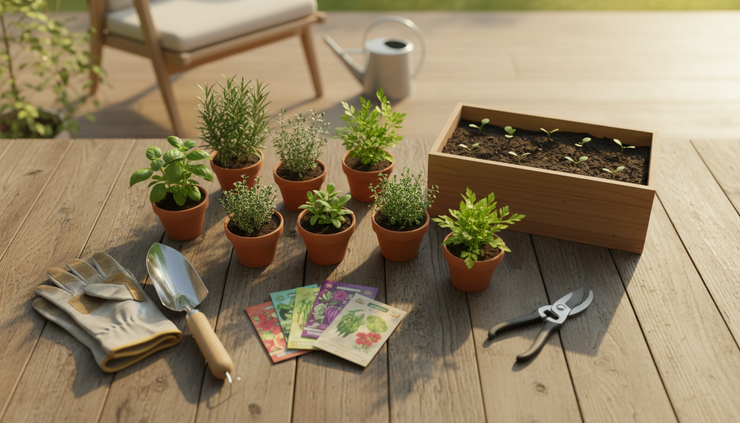
A garden can meet the body where it is
Gardening doesn’t have to be big, fancy, or perfect to make a difference. A few pots of herbs can encourage daily movement. A raised bed can help maintain strength. A flower patch can brighten the mood. Even a windowsill plant can offer routine and calm.
The best garden is one that feels inviting, safe, and possible. Start small, rest often, use tools that make the work easier, and let the garden grow at a pace that feels good. The real gift is not just what comes out of the soil. It’s the strength, steadiness, and peace that can grow along with it.


Comments